

DefenseHub · Tuesday · Highlights · September 29, 2026
On August 3, about 1,600 young Danes reported to barracks for eleven months of compulsory service, and for the first time the call-up letters had gone to women on exactly the same terms as to men. Seven weeks earlier, and four thousand miles west, the Pentagon was extending the deadline of a review it had ordered in January into the "effectiveness" of women in ground combat units. Two close allies are moving in opposite directions on the same question. One says it is short of the people it needs; the other says it is protecting standards. I read the pair as one story, and the last century of it is on the record. (CNN; Military Times)
What We Know
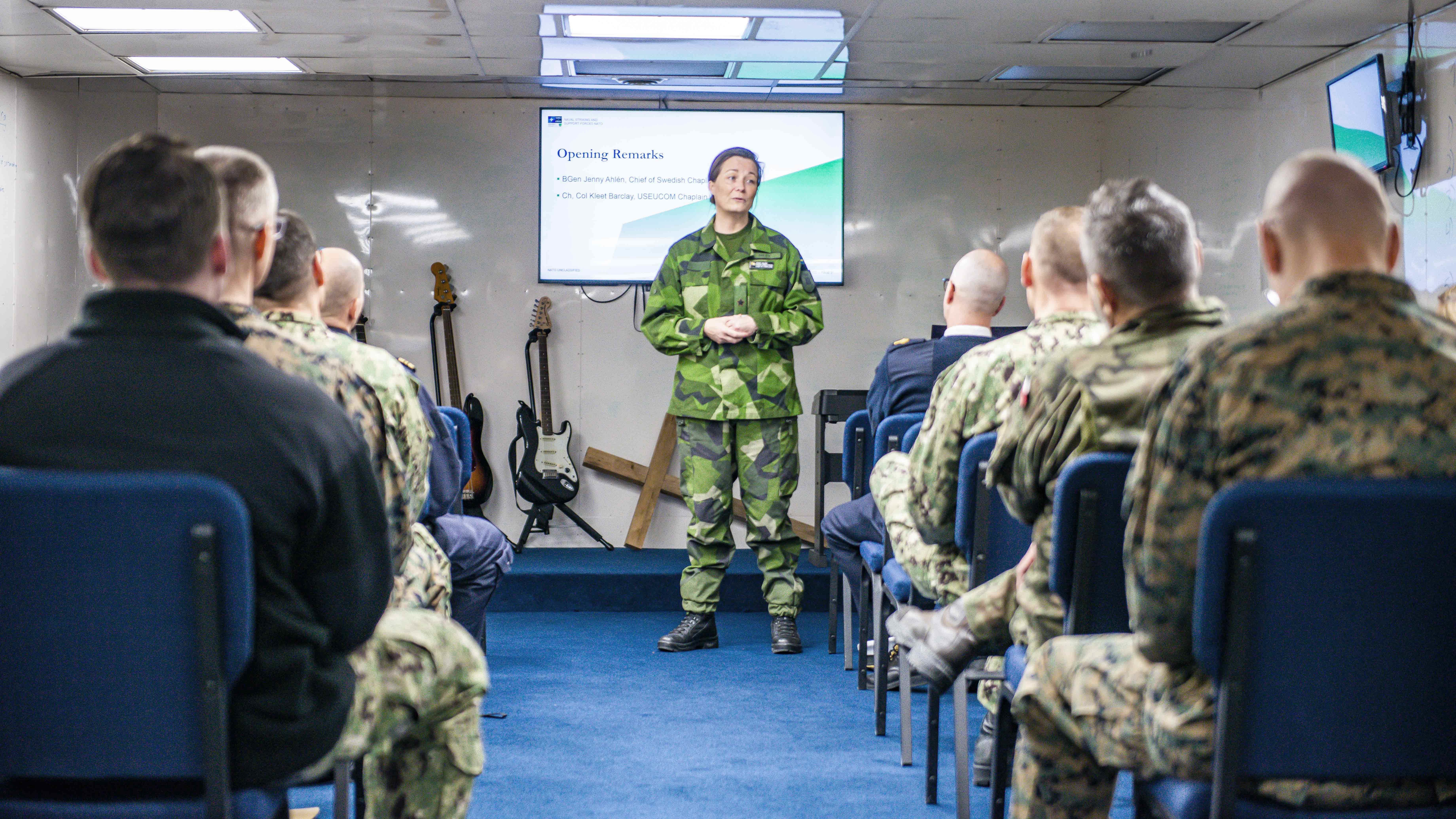
Denmark is the third Nordic country to draft women. Norway went first in 2015 and Sweden followed when it revived conscription in 2017, with laws that make no distinction by sex. Danish service was stretched from four months to eleven, and the annual intake is meant to grow from 5,000 to 7,500 by 2033. The stated reason is not equality. It is the Russian threat and a shortage of bodies in a country of six million people. (Institute of Central Europe; ABC News)
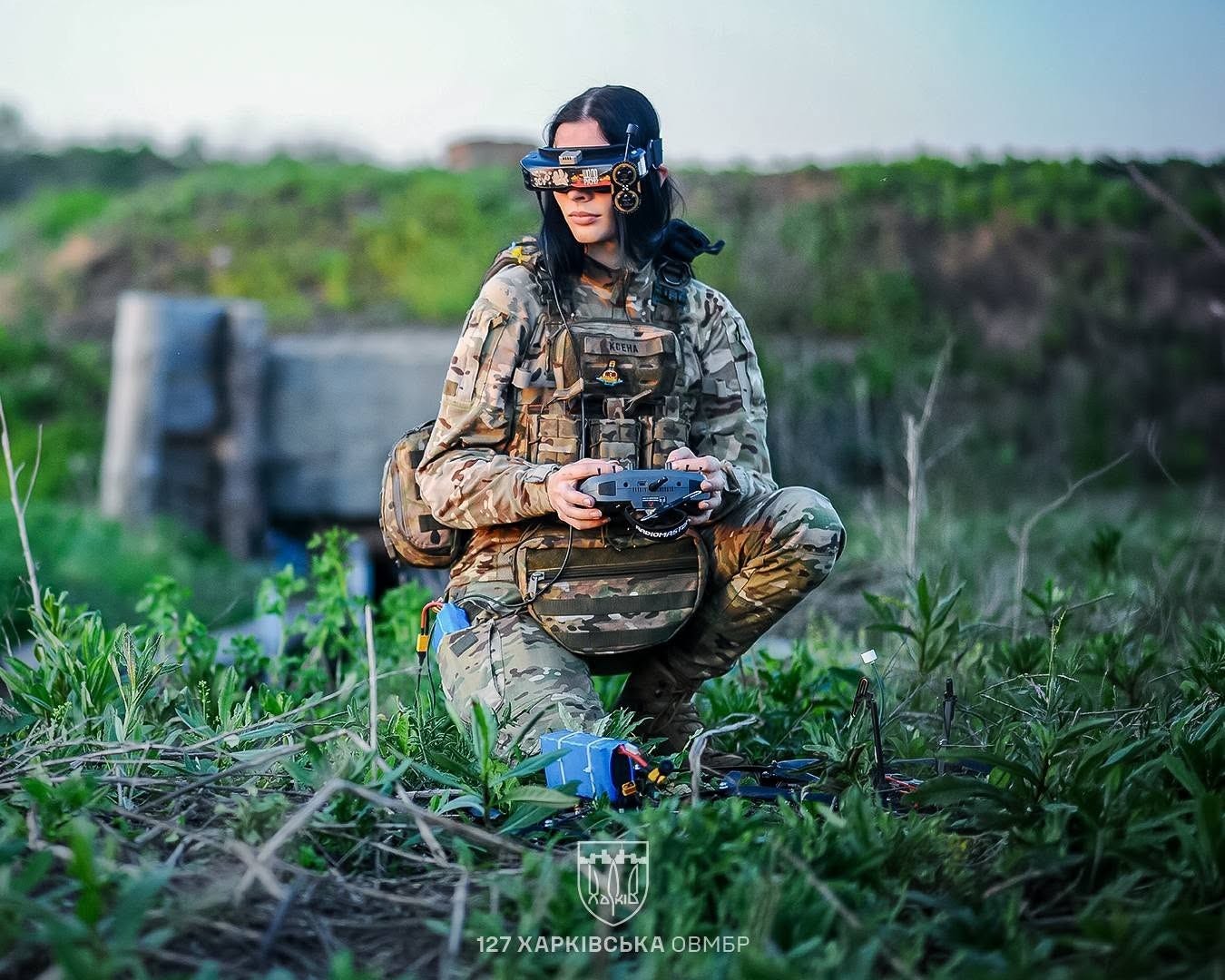
Ukraine is the extreme version of the same pressure. Its general staff counts more than 76,000 women in the armed forces, about 57,000 of them in military rather than civilian posts, and says more than 20,000 now hold combat positions, a category Kyiv defines broadly enough to include drone pilots, gunners, medics and electronic warfare specialists. The share of Ukrainian officers who are women rose from 4% to 21% in two years. Policy has outrun basic equipment: the state buyer acquired its first body armor cut for women only in July of this year, 2,000 sets for tens of thousands of serving women. (Kyiv Independent; Ukrainska Pravda; Stars and Stripes)
Israel moved because a court made it. Women have served in the mixed-gender Caracal battalion for years, and all-female tank crews fought for hours on October 7, 2023. The armored corps still resisted opening regular tank crews, the pilot program slipped twice during the war, and this year the High Court ordered it to begin by November. (Times of Israel)
The United States is going the other way. In January the Pentagon asked the Army and Marine Corps for data on their ground combat units, covering training, casualties, readiness, meaning the ability to do the job, and command climate, meaning morale and discipline. Outside analysts would then assess whether women in those jobs hurt effectiveness. Defense Secretary Pete Hegseth had already ordered combat roles held to the highest male standard on fitness tests, saying that if no women qualify for some jobs, "so be it." In April the study was moved from the Institute for Defense Analyses to the Johns Hopkins Applied Physics Laboratory and its deadline was pushed back. (NPR; Stars and Stripes)
The numbers under review are small: about 3,800 women in Army infantry, armor and artillery, plus roughly 700 female Marines in equivalent jobs, out of a force above a million. More than 180 women have finished the Army's Ranger School since it opened to them in 2015. Army data gathered from 2019 to 2023 found no evidence that the presence of women degraded unit readiness or effectiveness. The new study covers the same ground. Advocates say the process is designed to reach a conclusion that is already written; the Pentagon says promotions and standards are merit based and apolitical. (Military Times)
Operational Context
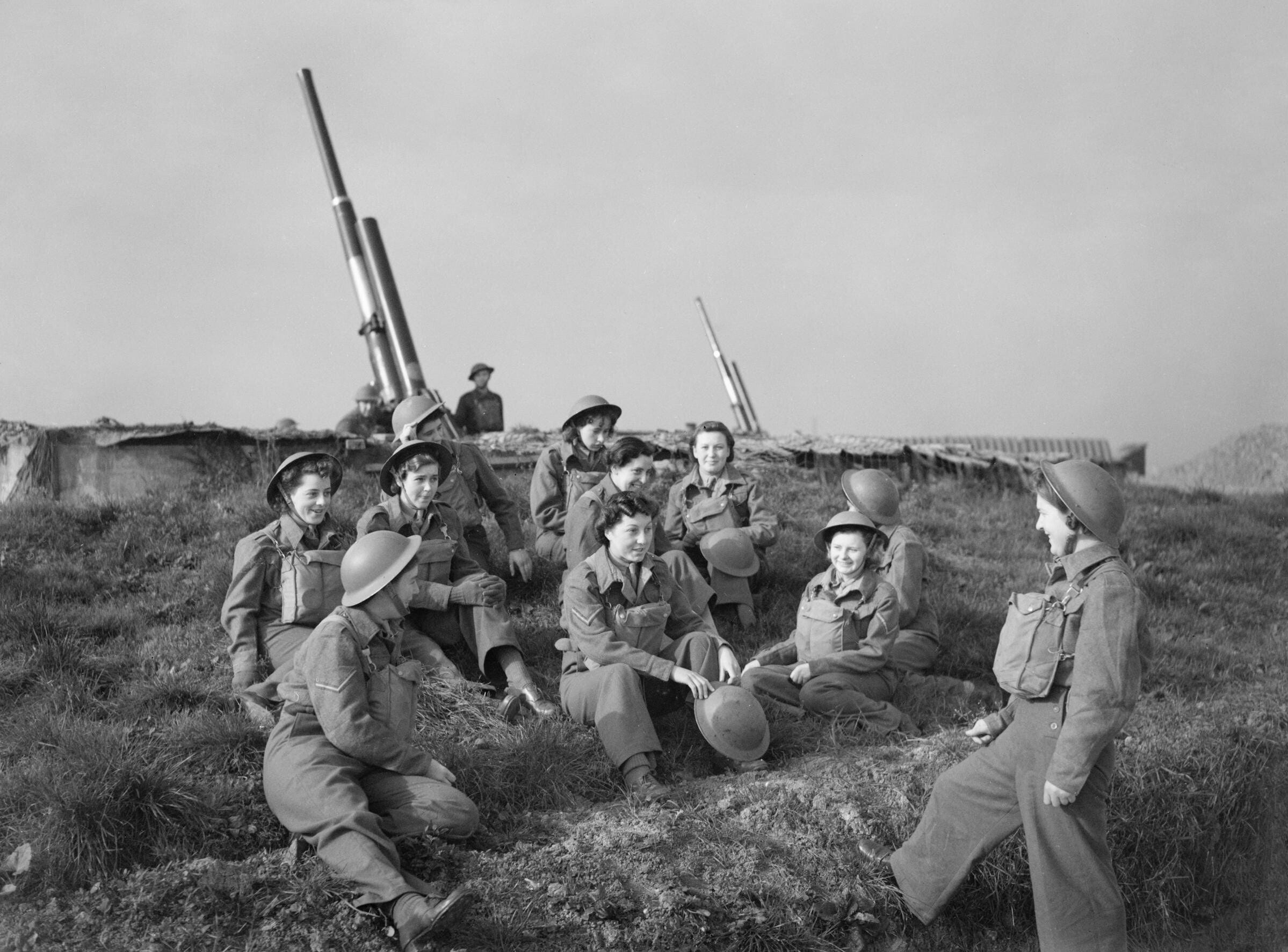
None of this is new, and that is the useful part. Britain was the first country to conscript women, in December 1941, when the National Service Act made unmarried women and childless widows aged 20 to 30 liable for call-up, later widened to 19 to 43. They chose between industry and the auxiliary services. The reason was arithmetic: Britain had run out of men to fill the factories and the anti-aircraft batteries at the same time. (UK Parliament)
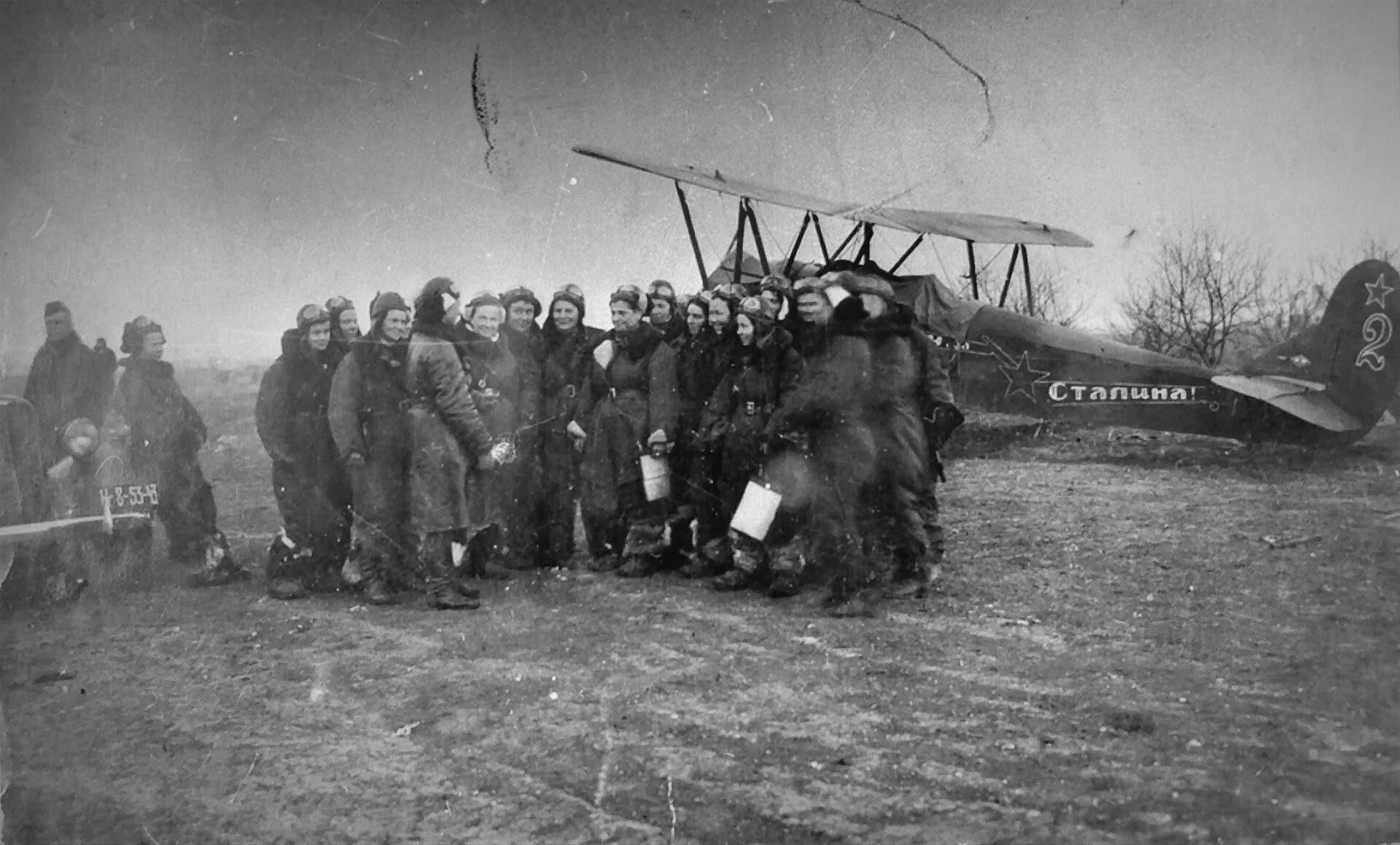
The Soviet Union went further. Roughly 800,000 women served in the Red Army, as snipers, pilots, partisans, engineers and medics. The 588th Night Bomber Regiment, an all-female unit the Germans called the Night Witches, flew more than 24,000 sorties in obsolete biplanes. Some 2,484 women trained and served as snipers. Then the war ended. The regiment was disbanded in October 1945, and most of those women were not permitted to go on serving. Within a decade the Soviet army was again almost entirely male. (National WWII Museum; Wikipedia)
The American record has the same shape, with the reversals written into law. The 1948 Women's Armed Services Integration Act let women serve in every branch and simultaneously capped them at two percent of the enlisted force, while barring them from combat aircraft and combat ships. The ceiling came down in stages, each coinciding with a manpower problem: the draft ended in 1973 and the volunteer force had to recruit women to fill itself; the risk rule fell in 1994 while ground combat stayed closed; Leon Panetta lifted the ground combat exclusion in January 2013; the last jobs opened in 2015 and 2016. Each step took a decade of lobbying, and each was justified as a readiness decision. (National WWII Museum; Congressional Research Service)
Which brings up the measure almost nobody publishes. Women are 17.5% of the American active duty force, the highest share ever, around 21% of the Air Force and 9% of the Marines. In 2023 they held 10.2% of positions at colonel or navy captain and above. Across NATO the average share of women in uniform has sat near 13%, and it thins out sharply at senior officer level in nearly every member state. Entry and command are two different doors. (DACOWITS; European Parliament)
The top of the American pyramid is where the reversal is easiest to see. Admiral Lisa Franchetti, the first woman to lead the Navy and to sit on the Joint Chiefs, was fired on February 21, 2025, which left no woman at four-star rank, the highest rank in active service; Admiral Linda Fagan had been removed from the Coast Guard a month earlier. In March of this year, NPR and Military Times reported that Hegseth had personally struck two Black and two female Army officers from a one-star promotion list after the Army secretary declined to do it, and NBC News later counted interventions affecting more than a dozen senior Black and female officers. The Pentagon rejects that reading. A spokesman said promotions go to those who earn them and that meritocracy in the department is "apolitical and unbiased." (Military.com; Military Times; NBC News)
My Read
The pattern across a century is that armies open to women when they need people and close when they do not, and that the closing is always explained in the language of standards. That does not make every standards argument dishonest. Physical thresholds for carrying a wounded soldier are real, and a force that lowers them quietly to hit a quota is doing nobody a favor. But the sequence matters. When the evidence an institution already collected says readiness did not suffer, and the response is to commission a second study with a different laboratory and a later deadline, the question being asked is no longer really empirical.
What I would watch is not the entry door but the command pipeline, because that is what tells you whether an opening is permanent. Denmark and Norway are running the harder version of the experiment: not volunteers admitted on sufferance, but women conscripted on identical terms, which over twenty years produces sergeants and colonels rather than a photogenic first. The American case is running the other way, with a record share of women in uniform and, at the moment, none at the top. If the current review closes ground combat jobs, the effect will not show up for a decade, in the officers who never got the command tours that lead anywhere. Ukraine is the reminder that none of this is theoretical: a country fighting for its existence puts women in drone units and then takes three years to buy body armor that fits them.
What to Watch
What does the relocated Pentagon review conclude, and does any combat specialty actually close to women?
Does the Israeli armored corps open regular tank crews in November, as the court ordered?
How many of Denmark's first mixed conscript cohort stay on as professionals after their eleven months?
Will a woman return to four-star rank in the United States, and how many promotion lists get altered before that?
Does Ukraine's procurement of women's equipment scale to the size of its female force, or stay symbolic?
Recommended Sources
Congressional Research Service, "Women in Combat: Issues for Congress": the legal and policy record without advocacy.
NATO's Summary of National Reports on gender balance: the comparative numbers, member by member.
The National WWII Museum on the 1948 Integration Act and on the Night Witches: two short, sourced histories.
Kyiv Independent and Stars and Stripes reporting on Ukraine's female soldiers: current numbers and field detail.
Military Times coverage of the combat review and the promotion interventions, including the Pentagon's responses.