

DefenseHub · Friday · Intelligence · September 11, 2026
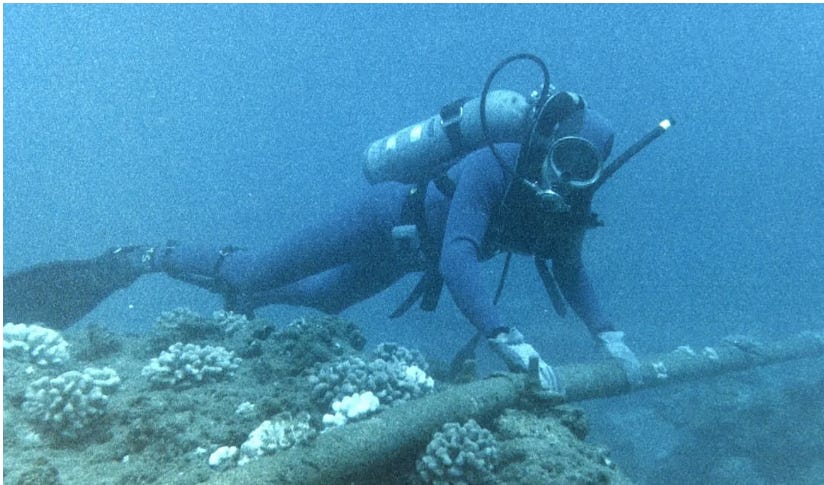
British, Norwegian and U.S. forces interrupted a Russian exercise near Svalbard this spring, according to a Reuters investigation published on September 10. Two anonymous Western officials told the agency that deep-sea submersibles were rehearsing the deployment of technology intended to disable undersea cables. The Russian vessels left without completing the exercise, the officials said. The report adds a claimed weapon capability and a U.S. role to earlier British and Norwegian disclosures of covert Russian undersea activity. Its significance rests on what those new details reveal about the threat, while the equipment's actual performance remains unverified publicly.
What We Know
GUGI, Russia's Main Directorate of Deep-Sea Research, carried out the exercise, the officials told Reuters. They described technology designed to disable cables without leaving identifying traces, but declined to explain its workings. That describes an intended capability whose performance has not been demonstrated publicly. The agency reports that no cables were damaged. Britain, Norway and the United States reportedly tracked and confronted the vessels at sea; the account does not establish when the allies first learned of the exercise or exactly how they located it.
The public record also includes statements from the governments involved. Norway's Defence Minister Tore Sandvik told Reuters that the joint operation had sent Moscow a warning about targeting critical infrastructure. Britain's Ministry of Defence referred the agency to its April 9 disclosures about Russian activity around underwater infrastructure. NATO itself directed questions to the Norwegian and British authorities. Those responses provide named official attribution for parts of the account, although they do not independently establish every detail supplied by the anonymous officials.

The distinction between the April disclosures and the September reporting matters. Reuters identifies the new elements as the weapon, the location near Svalbard and American participation. It also reports that British and Norwegian officials presented their findings to Moscow while the confrontation at sea was taking place, hoping to discourage use of the technology. The declared intention was therefore to influence Russian decisions as well as interrupt the exercise. The report does not show whether that warning changed subsequent Russian plans or development work.
Western officials place the episode within their broader concern about Russian sabotage and possible preparations for confrontation with NATO. That remains an assessment of intent, separate from the reported events at sea. The Russian Defence Ministry did not answer Reuters' request for comment on the incident; the Kremlin generally denies conducting sabotage in NATO countries. Defense News published the same investigation by Reuters journalists Sarah McFarlane and Gram Slattery. It is a republication, not an additional set of independently interviewed sources.
Operational Context
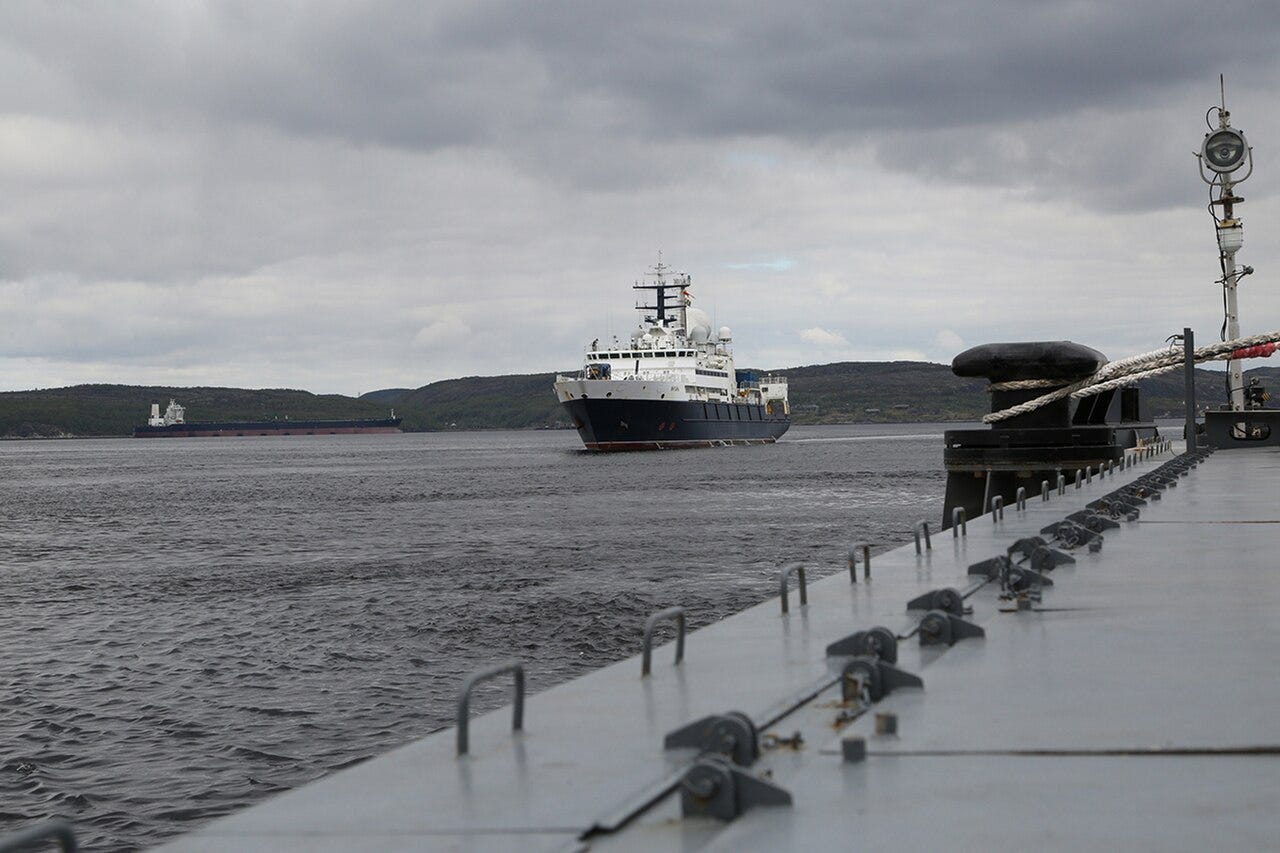
GUGI's wider role is documented outside this one investigation. The British Ministry of Defence describes a programme using specialist surface vessels and submarines to survey underwater infrastructure in peacetime and develop the capacity to damage it during conflict. Its April release also discusses the intelligence ship Yantar and earlier monitoring near British waters. These disclosures provide context for why governments follow such vessels. The presence of a GUGI-associated platform alone does not establish that it is carrying out an attack, or identify the particular equipment it carries.

Some tracking methods are already public for the operation Britain described in April. The Ministry of Defence named HMS St Albans, RFA Tidespring, Merlin helicopters and RAF P-8 aircraft, and said sonobuoys were deployed. Defence Secretary John Healey described an Akula-class submarine operating alongside two specialised GUGI submarines, with the response lasting more than a month. These details belong to that disclosed operation. They cannot simply be assigned to the precise Svalbard encounter: the September report does not map each platform, sensor or phase onto the newly disclosed location.
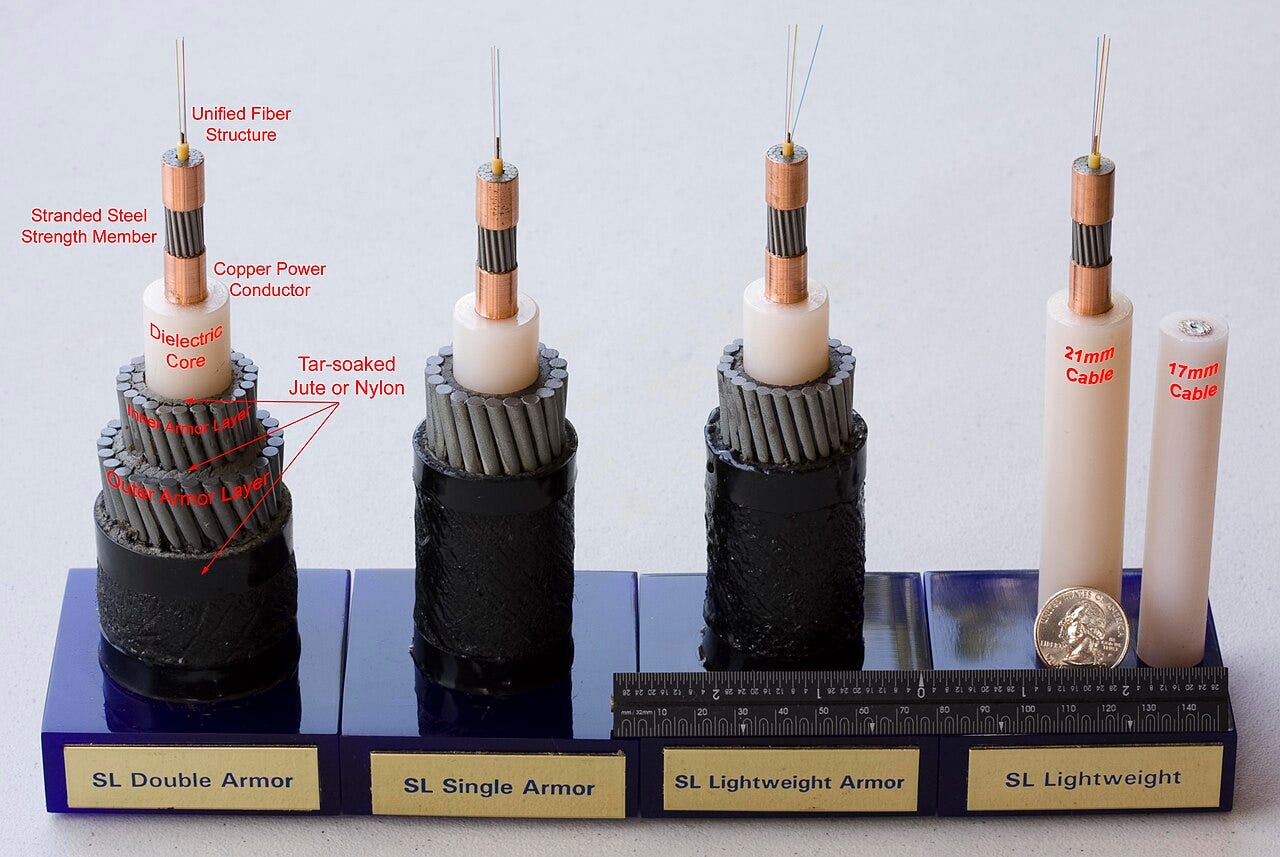
The cables themselves create a protection problem that continues after a suspect vessel leaves. A December 2024 Carnegie Endowment study by Sophia Besch and Erik Brown describes how alternative connections can absorb some disruptions, while islands with fewer links are more exposed. It also identifies limited repair capacity as a European vulnerability. Detection, continuity of service and restoration therefore need separate attention. Tracking a submarine can help address the immediate threat; spare capacity and access to repair ships determine how a network copes if damage does occur.
Confronting a vessel also changes what both sides can observe. A patrol that makes its presence obvious communicates that an activity is being watched, but it may give the other side an opportunity to study the response. The balance depends on what is disclosed and what remains concealed. The public account does not let an outside observer calculate that exchange. It does, however, distinguish the reported operational action at sea from the diplomatic warning delivered in Moscow, two actions with different audiences and possible effects.
My Read
The most consequential detail for me is the reported decision to take the findings to Moscow during the operation. If the officials' account is accurate, Britain and Norway were trying to affect a future decision to use the technology. Interrupting the exercise offered a concrete demonstration that the activity had attracted attention. Presenting the findings added a warning. Whether that discourages further attempts will depend partly on how Russian planners judge the risk of detection during an actual mission, a judgment this report cannot establish.
The reported weapon creates an attribution problem as well as a physical threat. Officials describe technology intended to disable a cable without leaving identifying traces. A cable failure on its own would not demonstrate that such a device had been used. Attribution would need additional evidence linking the damage to an actor and a method. Identifying a suspicious exercise and explaining a later service outage require different evidence: the former can inform a warning, while the latter requires an investigation of the actual damage. This incident supplies no demonstration of how that forensic problem would be resolved.
The practical policy question is how to protect services when surveillance misses something. Carnegie's discussion of redundancy and repair points to measures that can reduce the consequences of damage even when attribution is delayed or disputed. For governments and cable operators, the useful questions include which connections have alternatives, how quickly a repair vessel could reach a break and who coordinates the response. An intercepted exercise cannot answer those questions. It does give officials a reason to test whether their contingency arrangements cover the infrastructure they say is at risk.
I would judge the allied response by the limits it placed on the reported Russian activity, then examine whether those limits can be sustained. The exercise was reportedly interrupted, and the officials describe a warning delivered directly to Moscow. That supports a narrow assessment of operational success. It does not establish that the capability has been abandoned, that another attempt would be detected or that the balance of intelligence gained favoured only one side. Further evidence should change those judgments individually, rather than turn the entire account into a single verdict about undersea superiority.
What to Watch
An official chronology linking the April disclosures to the Svalbard encounter would clarify which vessels, locations and phases belong to the same activity.
Technical evidence about the reported weapon would allow its claimed cable-disabling capability to be assessed beyond the officials' description.
A Russian statement addressing specific operational details, rather than a generic denial, could supply claims that can be checked against the allied account.
Another documented incident involving comparable GUGI activity would permit a comparison of methods and outcomes. Unrelated submarine sightings would not establish the same pattern.
Cable operators' disclosures about alternative routes, repair access or recovery exercises would show which preparations could limit disruption if an attack succeeded.
Recommended Sources
Reuters: September 10 investigation, with anonymous-source claims and named official responses.
Defense News: republication of the same Reuters investigation; not independent corroboration.
UK Ministry of Defence: April 9 release on Russian undersea activity and British tracking assets.
Defence Secretary John Healey: April 9 statement describing the submarines and the duration of the response.
Carnegie Endowment: Sophia Besch and Erik Brown, Securing Europe's Subsea Data Cables, December 16, 2024; context on redundancy and repair.
Sources & Methodology
This article draws on Reuters' September 10 investigation, its republication by Defense News, the British Ministry of Defence's April 9 release and ministerial statement, and Carnegie Endowment research on cable resilience. Anonymous-source claims, official statements and the author's assessments are distinguished in the text. The two news links represent the same reporting, not independent corroboration.
The April disclosures provide operational context; their platform and sensor details are not automatically assigned to the Svalbard encounter. No classified material or independent sensor records were available for this assessment.
Corrections or source clarifications can be sent through the DefenseHub contact page.
R. Planche · DefenseHub