

Based on research by Institute for the Study of War
Institute for the Study of War · 2026 · Research report
Why It Matters
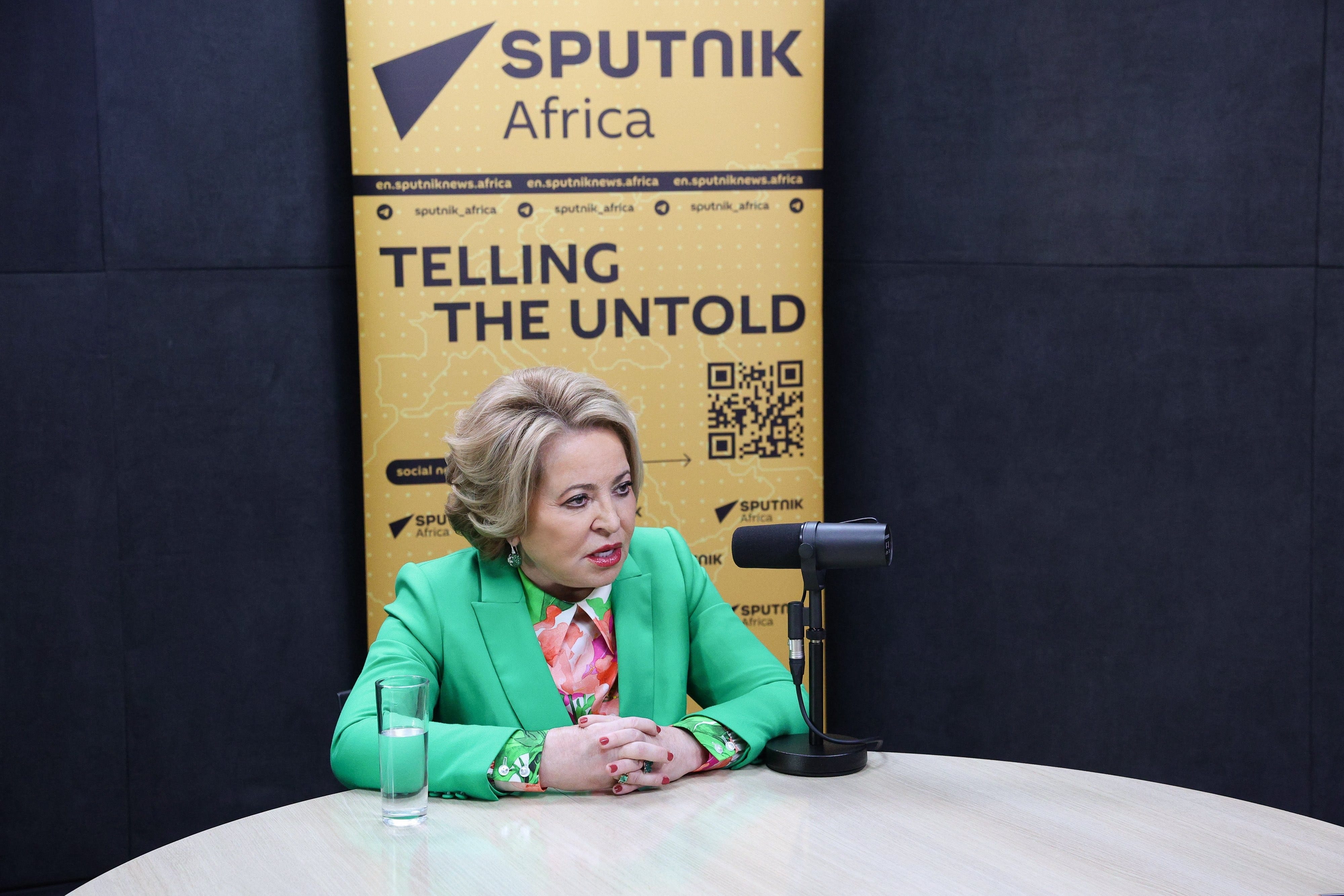
This report reveals that Russia's information strategy is not limited to short-term disinformation campaigns but involves a long-term, structural effort to build a global infrastructure for influence. For defense and intelligence professionals, this highlights a persistent cognitive warfare threat that requires a sustained counter-strategy focused on disrupting the growth of this network. Understanding this long game is critical for preempting Moscow's ability to shape global narratives, influence foreign political processes, and undermine Western interests in key regions like Africa, Latin America, and Asia
Key Findings
As of 2025, Russia's SputnikPro journalism project has trained over 12,700 participants globally, cultivating a cadre of journalists sympathetic to or dependent on Russian state narratives.
Since 2022, the Kremlin has prioritized media outreach to China, India, and Iran, signing at least 14 partnership agreements with Chinese outlets and launching the RT India channel in 2025.
Moscow uses the TV BRICS media network to expand its influence in the non-Western world, having secured at least 44 new agreements with media organizations in Africa, Asia, and Latin America since 2022.
The Kremlin is expanding its language services to new audiences, planning an Urdu-language service by 2026 and opening its first Amharic-language editorial center in Ethiopia in 2025.
Kremlin-affiliated milbloggers are part of the expansion, with figures like Rybar's Mikhail Zvinchuk planning to establish journalism schools in Serbia, Bosnia and Herzegovina, and Kyrgyzstan.
A Global Cadre of Journalists
The Kremlin is cultivating a global cadre of Russia-trained journalists to ensure the long-term resilience of its information influence, according to the Institute for the Study of War (ISW). This effort creates a multi-generational community that can disseminate Russian narratives for decades, independent of any single media outlet's success or failure. The report assesses this human infrastructure is a key pillar of Russia's cognitive warfare strategy, designed to shape Western decision-making and mask the Kremlin's weaknesses.
Sputnik's international journalism education project, SputnikPro, has reportedly trained over 12,700 participants globally as of 2025. The report details how this program, along with the RT Academy launched in 2024, targets aspiring journalists in Africa, Asia, and the Middle East. These initiatives often involve partnerships with foreign universities, with SputnikPro establishing collaborations in Libya, Ghana, Bangladesh, and Indonesia, and RT Academy signing memorandums with Indian universities.
Forging Global Partnerships
A core component of Moscow's strategy is forming partnerships with foreign media outlets to serve as wholesalers for Russian state content. The report states that major Russian news agencies and broadcasters, including TASS, Rossiya Segodnya, Sputnik, and RT, are targeting every continent to secure media agreements that allow them to inject Russian narratives into local information ecosystems.
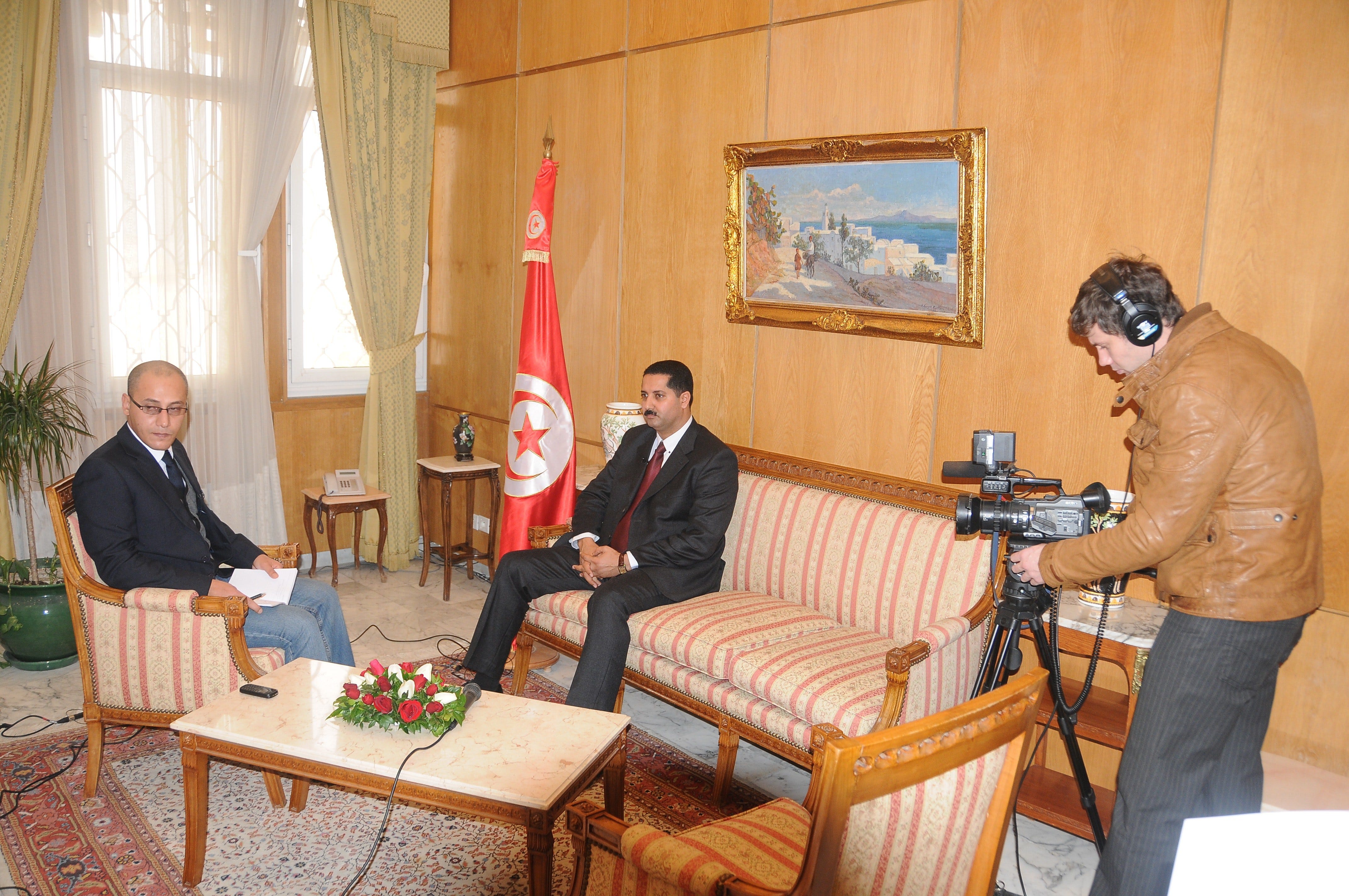
Since 2022, Russia has intensified its media outreach to China, India, and Iran. The ISW report documents at least 14 partnership agreements with Chinese counterparts and four with Indian media firms signed during President Putin's 2025 visit to India. Russia also increasingly uses the TV BRICS media network as a platform for partnerships, securing at least 44 agreements since 2022 to expand its information influence across Africa, Asia, and Latin America.
This effort extends to occupied territories, where the Kremlin aims to absorb the local information space. ISW reports that Moscow is integrating the media landscape in Belarus into the Union State framework and has established 'MediaAttraction' schools for children in occupied Ukrainian cities like Mariupol and Donetsk to prepare them to work as pro-Russian bloggers.
Expanding Reach and Adapting
To access new markets and enhance its credibility, Russian state media is adding new language services. The report notes that Sputnik plans to launch an Urdu-language service by the end of 2026 and opened an Amharic-language editorial center in Ethiopia in 2025. Similarly, RT began Portuguese-language broadcasting in Mozambique and Angola in 2025, while Ruptly launched an Arabic-language platform in 2020.
The Kremlin is also adapting to new media platforms by leveraging prominent milbloggers. According to the report, Mikhail Zvinchuk, head of the influential Rybar Telegram channel, is expanding his network's reach by producing reports in Russian, English, Arabic, and French. Zvinchuk has also met with foreign officials, including the Iraqi Prime Minister, signaling an effort to use these new media figures to infiltrate different segments of the global information space.
Setbacks and Vulnerabilities
Despite its concerted efforts, the Kremlin's media expansion is not inevitable and has faced significant setbacks, ISW reports. After the 2022 invasion of Ukraine, many Western countries restricted Russian media broadcasting, and the European Union sanctioned RT and Sputnik across all member states. Even before the full-scale invasion, Russia struggled to secure partnerships with Western outlets.
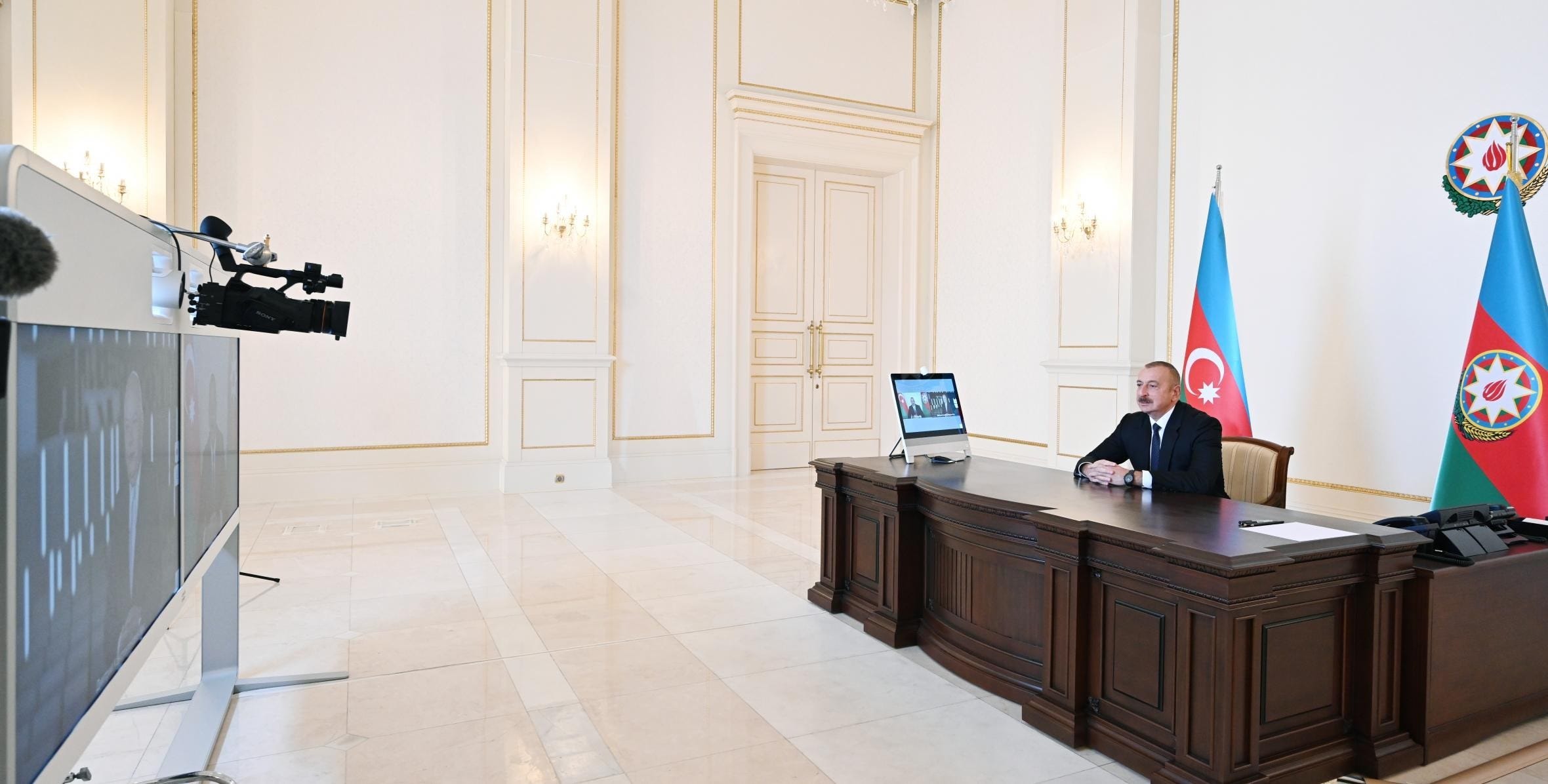
Backlash is also growing in former Soviet countries. The report states that Azerbaijan closed Rossiya Segodnya's office in 2025, and Armenia passed a bill in 2026 to block foreign broadcasts deemed to be meddling in its internal politics. Kremlin spokesperson Dmitry Peskov admitted in March 2026 that Russia is 'rapidly losing its toolkit for propaganda work abroad,' particularly in the 'near abroad'. The report also notes that the expansion is expensive and that resource constraints, exacerbated by the costs of the war in Ukraine, could pose a significant challenge to Moscow's ambitions.
Where the Evidence Is Uncertain
The report notes that the current status and success of some initiatives, such as the Kremlin-affiliated milblogger Rybar's plans to open journalism schools in Serbia, Bosnia and Herzegovina, and Kyrgyzstan, remain unclear.
What to Monitor
New media cooperation agreements signed by TASS, Sputnik, RT, or TV BRICS with foreign outlets, particularly in Africa, Latin America, and Southeast Asia.
Establishment of new foreign-language services or editorial bureaus by Russian state media, such as the planned Sputnik Urdu service.
Announcements of journalism training programs or university partnerships by SputnikPro, RT Academy, or affiliated figures like milbloggers.
Actions by foreign governments to either restrict or facilitate the operation of Russian media outlets within their borders.
About This Document
"The Kremlin's Expanding Media Conglomerate 2026" - Institute for the Study of War
Institute for the Study of War · 2026 · Research report
License: All rights reserved
This briefing was curated and summarized by DefenseHub from "The Kremlin's Expanding Media Conglomerate 2026", by Institute for the Study of War, published by Institute for the Study of War in 2026. Findings and underlying research remain attributable to the original authors and publisher.