

DefenseHub · Sunday · Military History · November 8, 2026

Operation Desert Storm produced one of the clearest battlefield victories of the late twentieth century. A coalition assembled with authorization from the United Nations Security Council opened its air campaign on January 17, 1991. Ground forces crossed into Iraq and Kuwait on February 24. One hundred hours later, Kuwait had been liberated and the Iraqi army was retreating.
The political result was less complete. Saddam Hussein remained in power. Iraqi forces suppressed uprisings in the Shia south and Kurdish north. Sanctions, weapons inspections, no-fly zones, and recurring military confrontations turned Iraq into a prolonged regional crisis. Desert Storm won a limited campaign. It did not create a durable security order in the Gulf.
That distinction matters because the war is often remembered as proof that overwhelming force, superior technology, and precise objectives can produce a clean strategic result. The military achievement was real. The clean ending was not.
What the Coalition Won
The United Nations condemned Iraq's August 1990 invasion of Kuwait, demanded an unconditional withdrawal, imposed sanctions, and eventually authorized member states to use all necessary means to enforce its resolutions. The coalition's central political purpose was limited: remove Iraqi forces from Kuwait and restore Kuwaiti sovereignty. The Bush administration did not publicly define regime change as a coalition war aim, and expanding the offensive toward Baghdad risked fracturing the coalition.
The campaign achieved that purpose. Coalition aircraft attacked Iraqi command networks, air defenses, military formations, supply lines, and weapons facilities. Air power also weakened Iraqi ground forces before the land offensive began. On February 24, coalition forces attacked through Kuwait and southern Iraq. The ground phase ended on February 28 after approximately 100 hours.
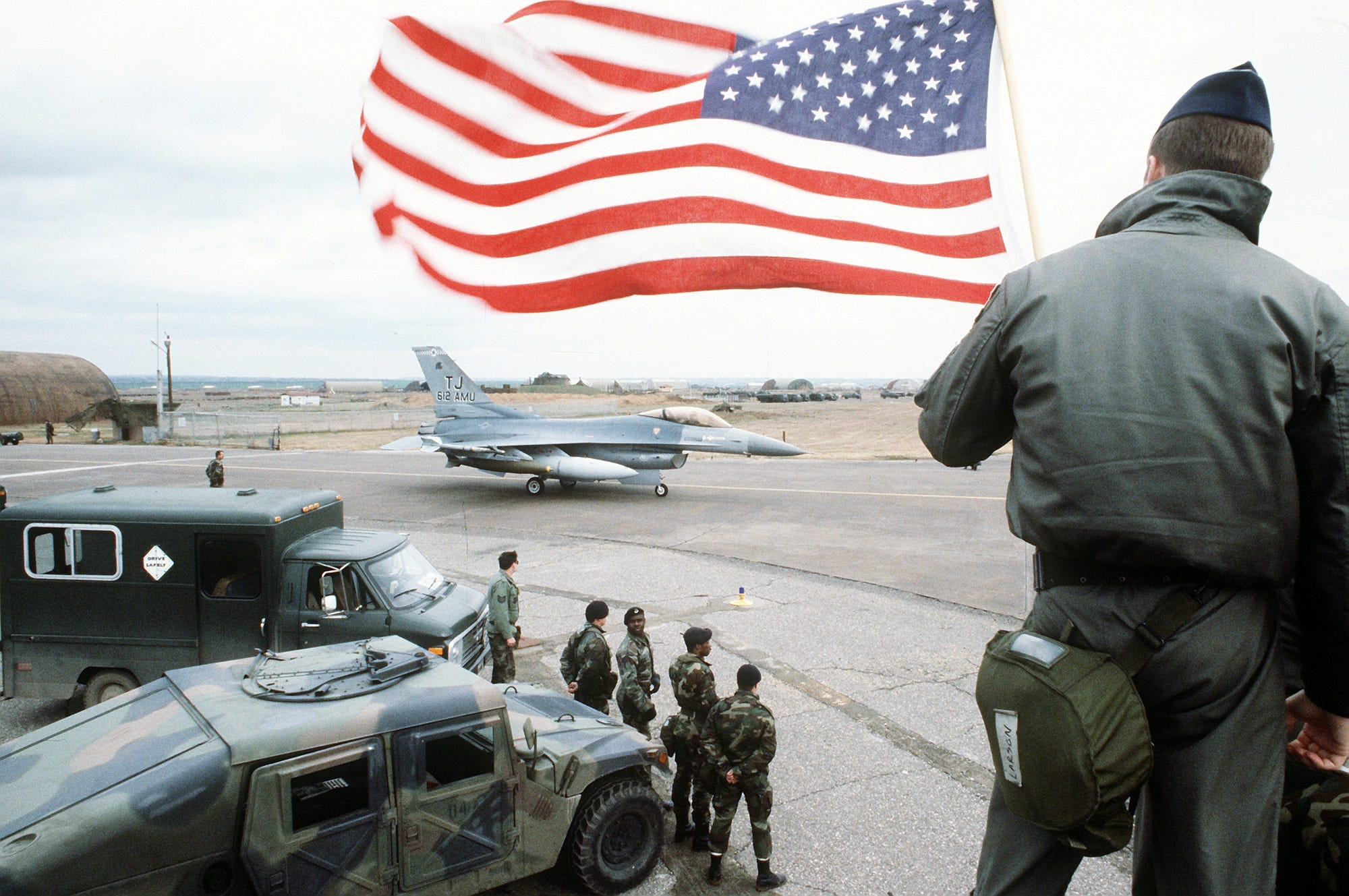
The speed of the result obscured important limits. Many Republican Guard formations survived the campaign despite substantial losses. Iraq retained forces capable of protecting the regime. The campaign removed the Iraqi army from Kuwait without removing the government that had ordered the invasion.

The Directive Was Broader Than Four Goals
National Security Directive 54, signed by President George H. W. Bush on January 15, 1991, authorized military action for four purposes: Iraq's complete withdrawal from Kuwait, restoration of Kuwait's government, protection of American citizens abroad, and promotion of security and stability in the Persian Gulf.
Treating those four purposes as a simple scorecard distorts the directive. It also instructed U.S. and coalition forces to defend Saudi Arabia and other Gulf Cooperation Council states, suppress Iraqi missile attacks, destroy Iraqi chemical, biological, and nuclear capabilities, break its command system, and eliminate the Republican Guard as an effective fighting force. Several of those missions remained incomplete when offensive operations stopped.
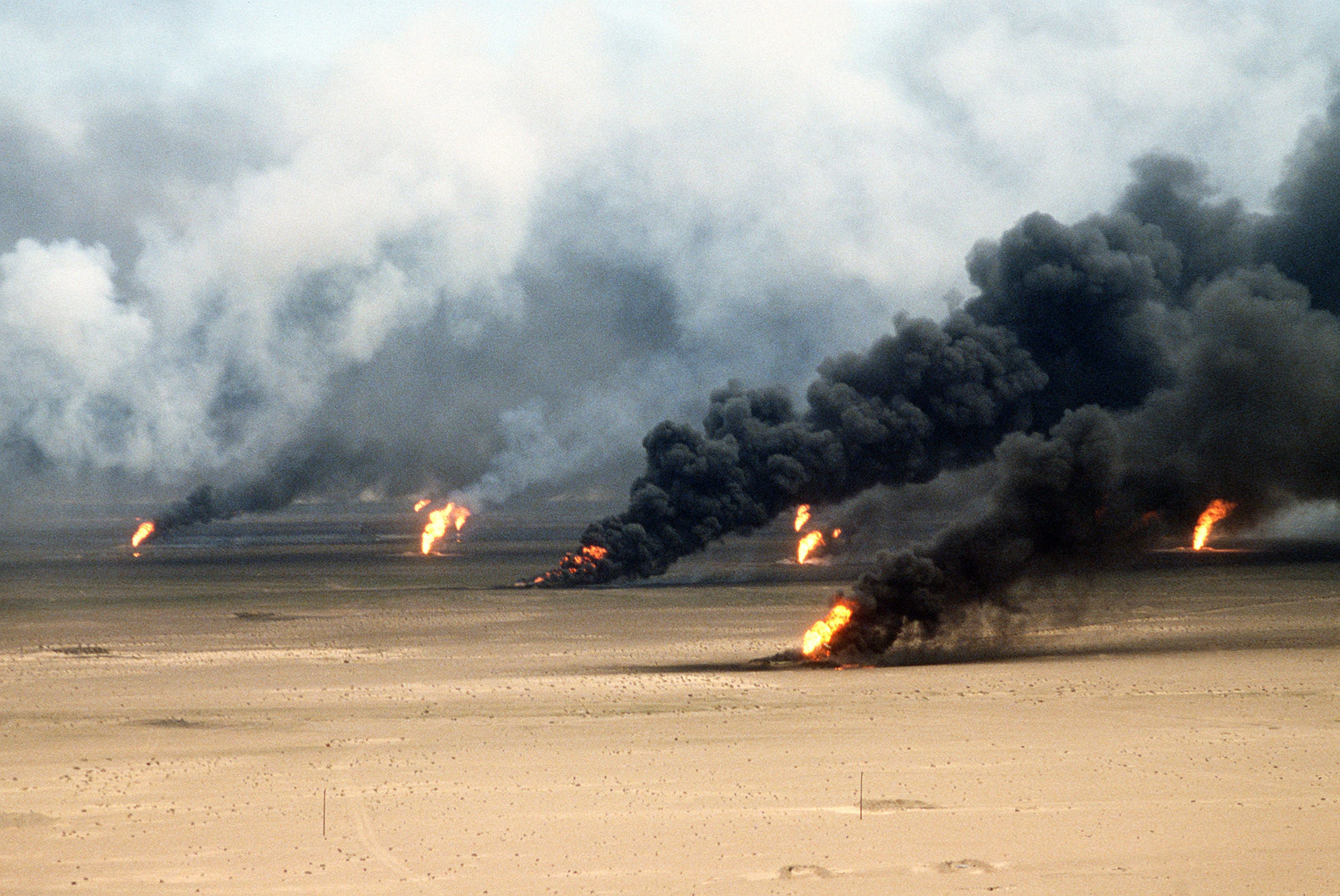
The directive contained another condition that complicates the familiar account of limited war. It stated that replacing Iraq's leadership would become an explicit U.S. objective if Baghdad used chemical, biological, or nuclear weapons, supported terrorism against the United States or its partners, or destroyed Kuwait's oil fields. Iraqi forces ignited or damaged hundreds of Kuwaiti oil wells and related facilities. Although the condition named in NSD-54 had occurred, the administration did not translate it into a decision to overthrow Saddam Hussein.
The administration stopped after liberating Kuwait rather than expand the war into an open-ended campaign for regime change. That decision left a regime with surviving military power to shape the postwar order. The tension was already present inside the directive: Washington sought both a limited restoration of Kuwait and broader Gulf-security objectives.
The Logistics Behind the Victory
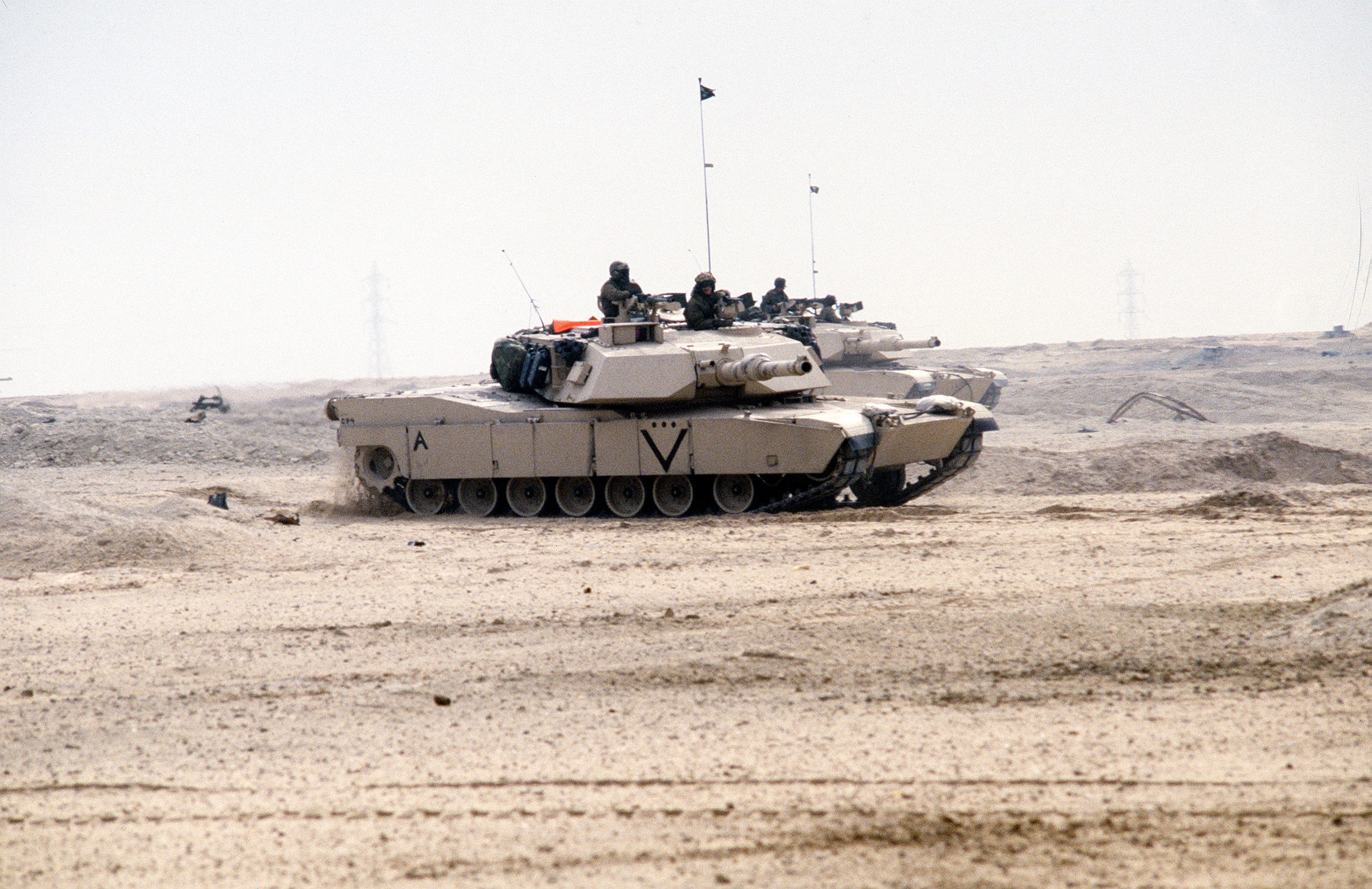
The campaign could not have moved so quickly without the buildup that preceded it. At Saudi Arabia's request, the United States began deploying combat forces on August 8, 1990. The XVIII Airborne Corps formed a major component of the initial defensive deployment. On November 8, President Bush ordered a second buildup that included the armor-heavy VII Corps from Germany, giving the coalition an offensive option.
Moving VII Corps was not a matter of a few weeks. Its vehicles and heavy equipment arrived through Saudi ports over roughly two and a half months. The corps was still completing its reception and movement into assembly areas after the air campaign began, with the final equipment leaving the ports in February. The achievement involved sealift, airlift, ports, host-nation support, fuel, ammunition, maintenance, medical capacity, and an enormous network of transport units.
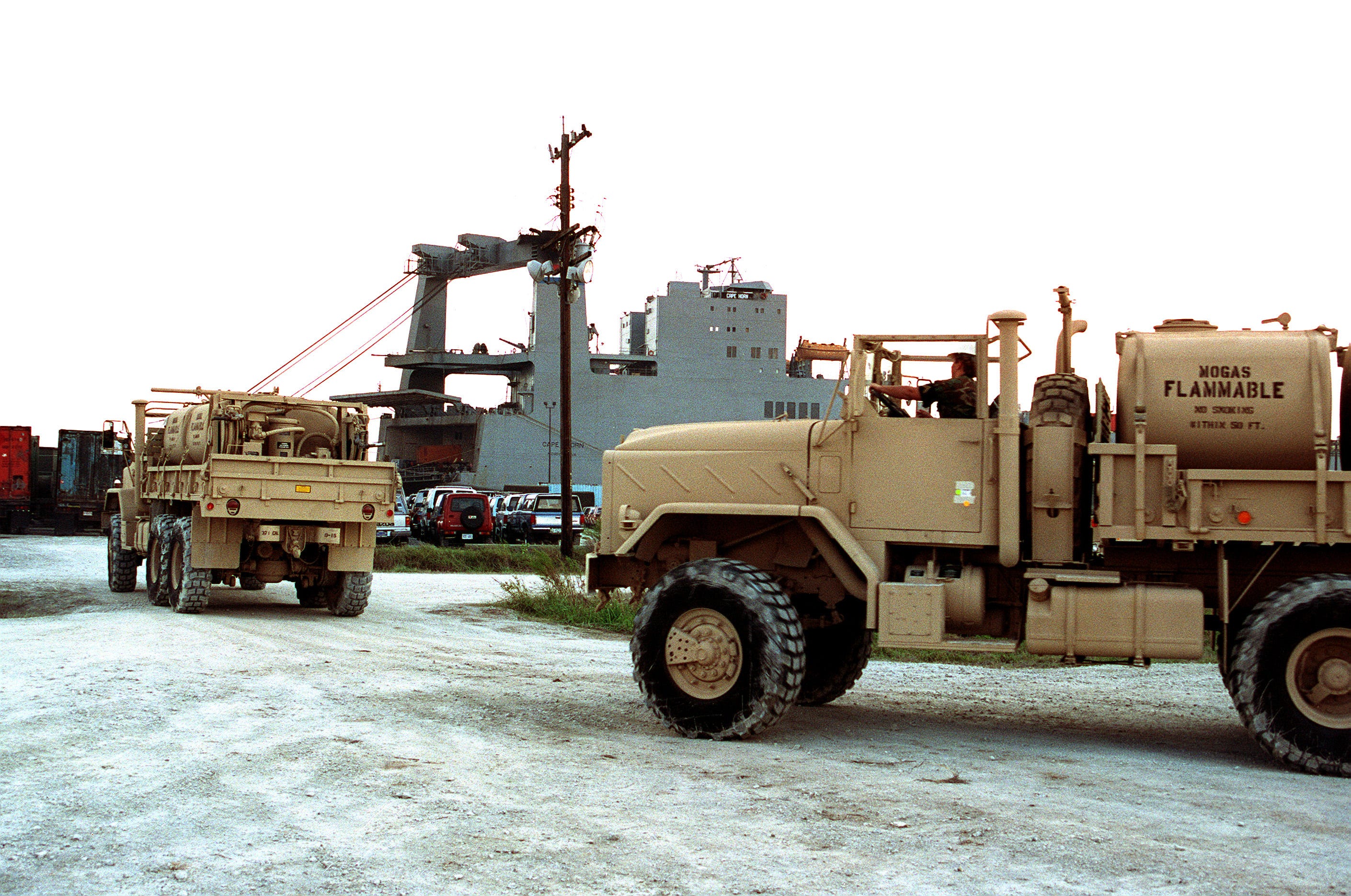

Logistics made the offensive possible. Air supremacy, months of preparation, coalition training, operational deception, intelligence, favorable terrain, and serious weaknesses in Iraqi morale, command, and force disposition also shaped the low coalition casualty rate and the rapid collapse of Iraqi defenses.
The War Ended Before the Political Problem Did
Coalition and Iraqi commanders met at Safwan on March 3 to establish military terms for maintaining the suspension of hostilities. They did not sign a final peace treaty or conventional armistice. The formal United Nations cease-fire framework came with Security Council Resolution 687 on April 3. Iraq accepted it on April 6, and the Security Council declared the formal cease-fire effective on April 11.
Events inside Iraq immediately exposed the gap between battlefield victory and regional stability. Uprisings spread through the Shia south and Kurdish north. Iraqi security forces suppressed them while the coalition did not intervene in the internal Iraqi conflict. The United States and its partners later intervened to protect displaced Kurds and established no-fly zones over northern and southern Iraq.
Resolution 687 imposed disarmament obligations, inspections, compensation requirements, and continued sanctions. These measures constrained Iraq but did not produce a settled political relationship. U.S. and allied aircraft continued operating over the country, crises over inspections repeatedly escalated, and military strikes returned during the 1990s. By 2003, containment had given way to invasion and regime change.
The consequences extended beyond Washington's policy. Kuwait regained its sovereignty amid extensive physical and environmental damage, including burning oil wells. Iraqi civilians faced repression, sanctions, and the deterioration of state infrastructure. Gulf monarchies accepted a deeper and longer-term U.S. and allied military presence. Iran watched its principal Arab rival survive but emerge weakened and contained.
The Strategic Lesson
The March 1990 U.S. National Security Strategy did not mention Iraq by name. It did identify the security of Gulf energy supplies, military access, host-nation support, pre-positioned equipment, and weapons proliferation as major concerns. At the same time, Central Command was revising its plans around the possibility of an Iraqi attack through Kuwait into Saudi Arabia. Washington had a regional strategy and had begun to recognize the military threat. Its political engagement with Baghdad and its public strategy still failed to capture how quickly Iraq could overturn the regional balance.
Desert Storm also reinforced confidence in U.S. power projection and military technology. Precision weapons, stealth aircraft, satellite communications, and joint operations received much of the attention. Later official reviews emphasized the contributions of conventional weapons, electronic warfare, tankers, training, Iraqi decisions, and the six-month buildup alongside the systems that dominated television coverage.
Desert Storm succeeded as a limited war and exposed the limits of limited war. The coalition liberated Kuwait while the means of constructing a postwar regional order remained unresolved. Battlefield victory ended the occupation. It did not decide who would rule Iraq, how postwar coercion would work, or what political order would replace the one Saddam had shattered.
Recommended Sources
National Security Directive 54, Responding to Iraqi Aggression in the Gulf, January 15, 1991
United Nations Security Council Resolution 660, August 2, 1990
United Nations Security Council Resolution 661, August 6, 1990
United Nations Security Council Resolution 678, November 29, 1990
United Nations Security Council Resolution 687, April 3, 1991
U.S. General Accounting Office, Operation Desert Storm: Evaluation of the Air Campaign
U.S. Army Center of Military History, Desert Shield and Desert Storm research collection
U.S. Army Center of Military History, U.S. Army Logistics, 1775–1992, Volume III
War on the Rocks, The Gulf War 30 Years Later: Successes, Failures, and Blind Spots
Sources & Methodology
This analysis compares the declassified text of National Security Directive 54 with United Nations resolutions, official U.S. military histories, the 1990 National Security Strategy, a Government Accountability Office evaluation, and historical analysis. Dates, force movements, campaign duration, and cease-fire terminology were checked against official records. Assessments of regional stability and strategic consequences are identified as analysis rather than as official findings.
Corrections or source clarifications can be sent through the DefenseHub contact page.
R. Planche · DefenseHub