

DefenseHub · Friday · Intelligence · September 25, 2026
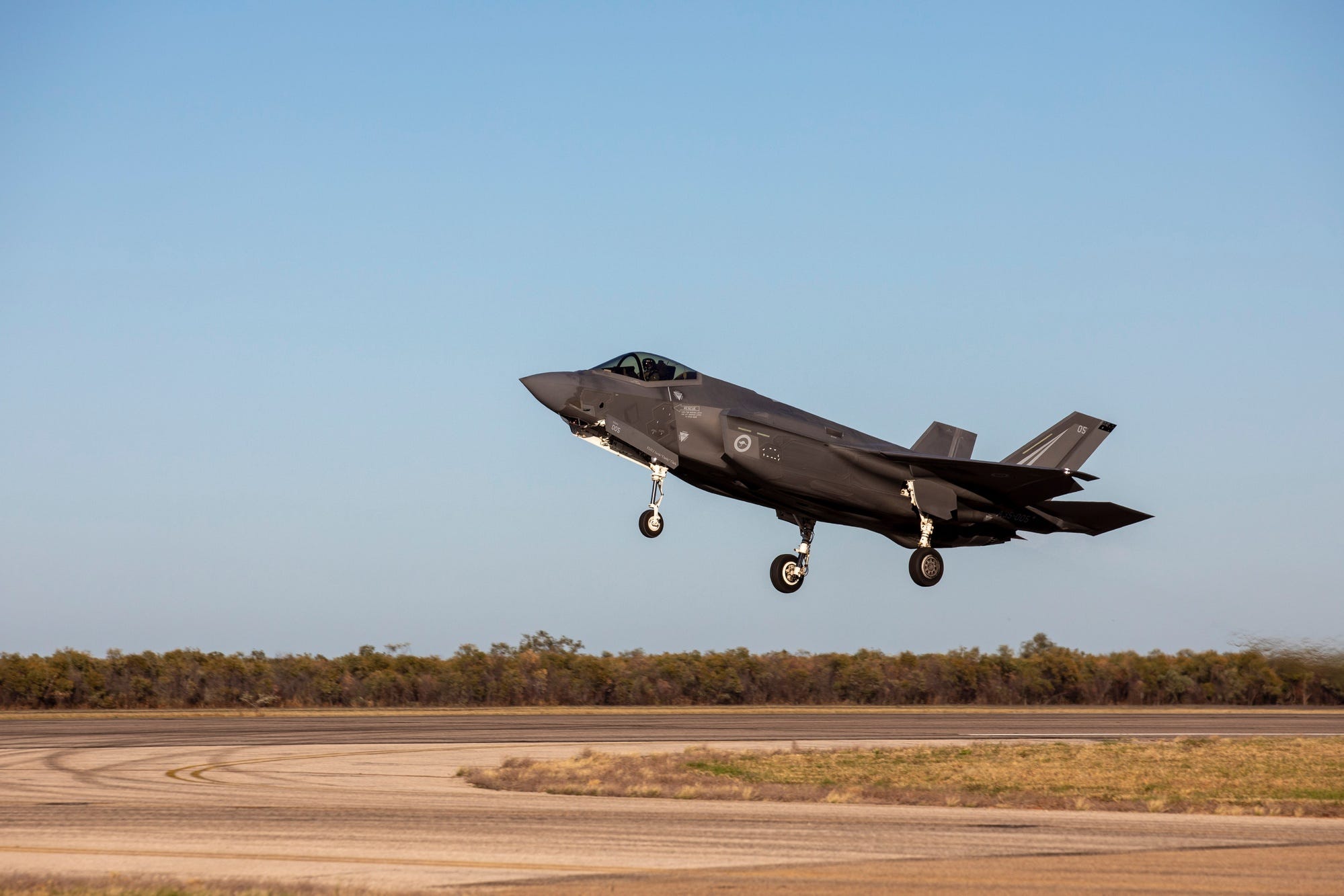
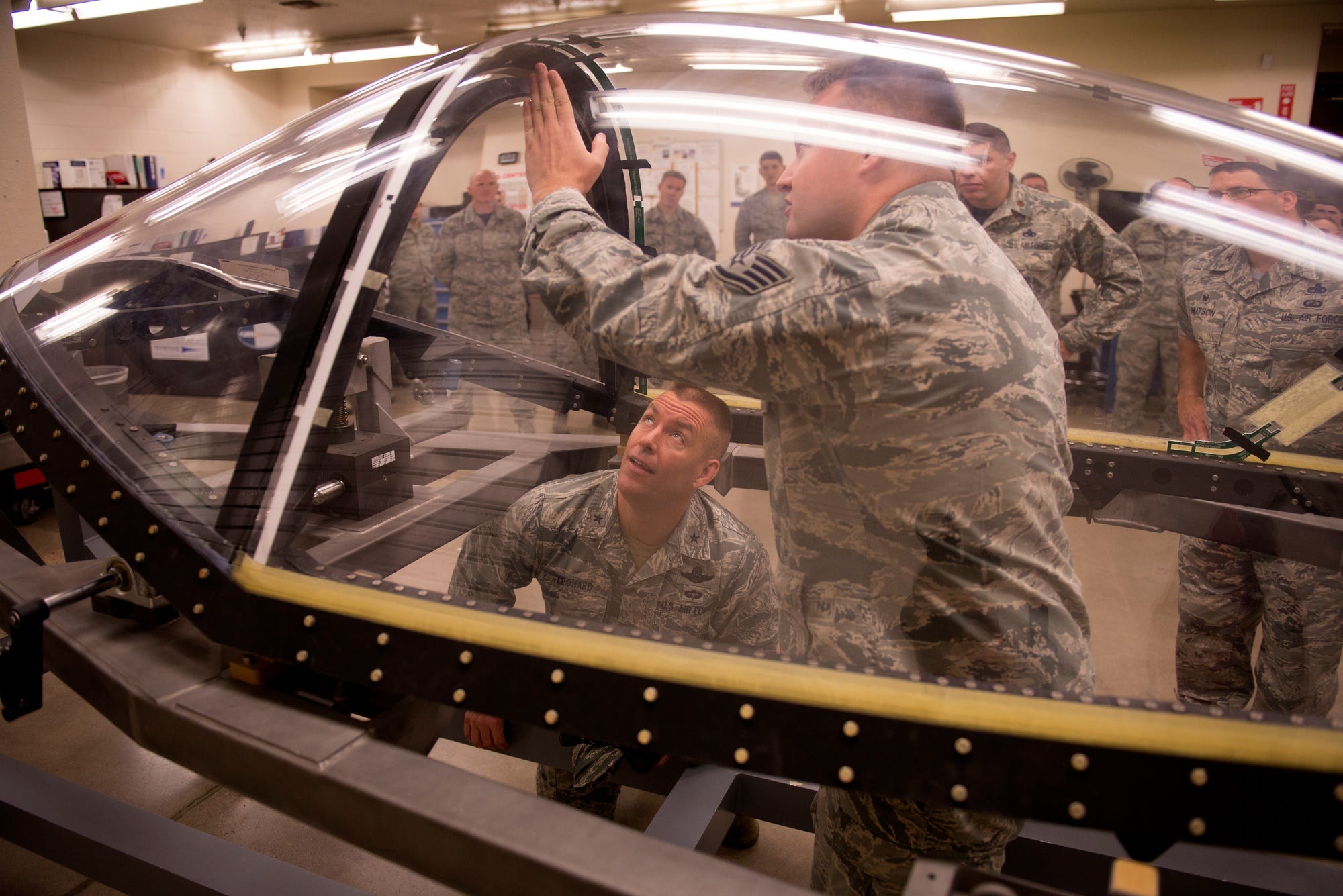
A shipment of unserviceable F-35 components was diverted while traveling from Australia to the United States. The F-35 Joint Program Office has confirmed a shipment issue and says it is trying to recover the components. Bloomberg reported that the cargo contained a cockpit canopy and a weapons-bay door, passed through South Korea and Hong Kong, and was taken into Chinese government custody. Those details come from people briefed on the incident, not from a public investigative finding. The established failure is narrower and still serious: a defense supply chain lost control of two aircraft components in international transit.
What We Know
Politico first reported the diversion on September 18, 2026. On September 23, Bloomberg identified the carrier as UPS and dated the shipment to late May. Its sources said the parts were headed to the United States for inspection and possible repair or disposal, stopped in South Korea and were then routed to Hong Kong. The report also said Chinese authorities took possession and had not returned them. The Pentagon has confirmed the shipment problem and the recovery effort, but has not publicly confirmed that route or the current custodian.
Official statements describe the hardware more cautiously than several headlines. Australian Defence Minister Richard Marles said his understanding was that the shipment did not contain sensitive equipment or sensitive parts. Lockheed Martin called the components unserviceable and low-risk for exploitation. Bloomberg's sources, by contrast, said both pieces carried radar-absorbing material associated with the aircraft's low-observable design. The parts' condition and any residual technical value have not been disclosed.
The incident was known inside government before it became public. Australian Defence Industry Minister Pat Conroy said he had been aware of it well before the first reports. Bloomberg also reported that Defense Department officials discussed the components during a closed Senate Armed Services Committee hearing on June 23. The unresolved questions are how the destination changed, when the exception was detected, who authorized each transfer and whether the shipment was opened or examined.
Operational Context
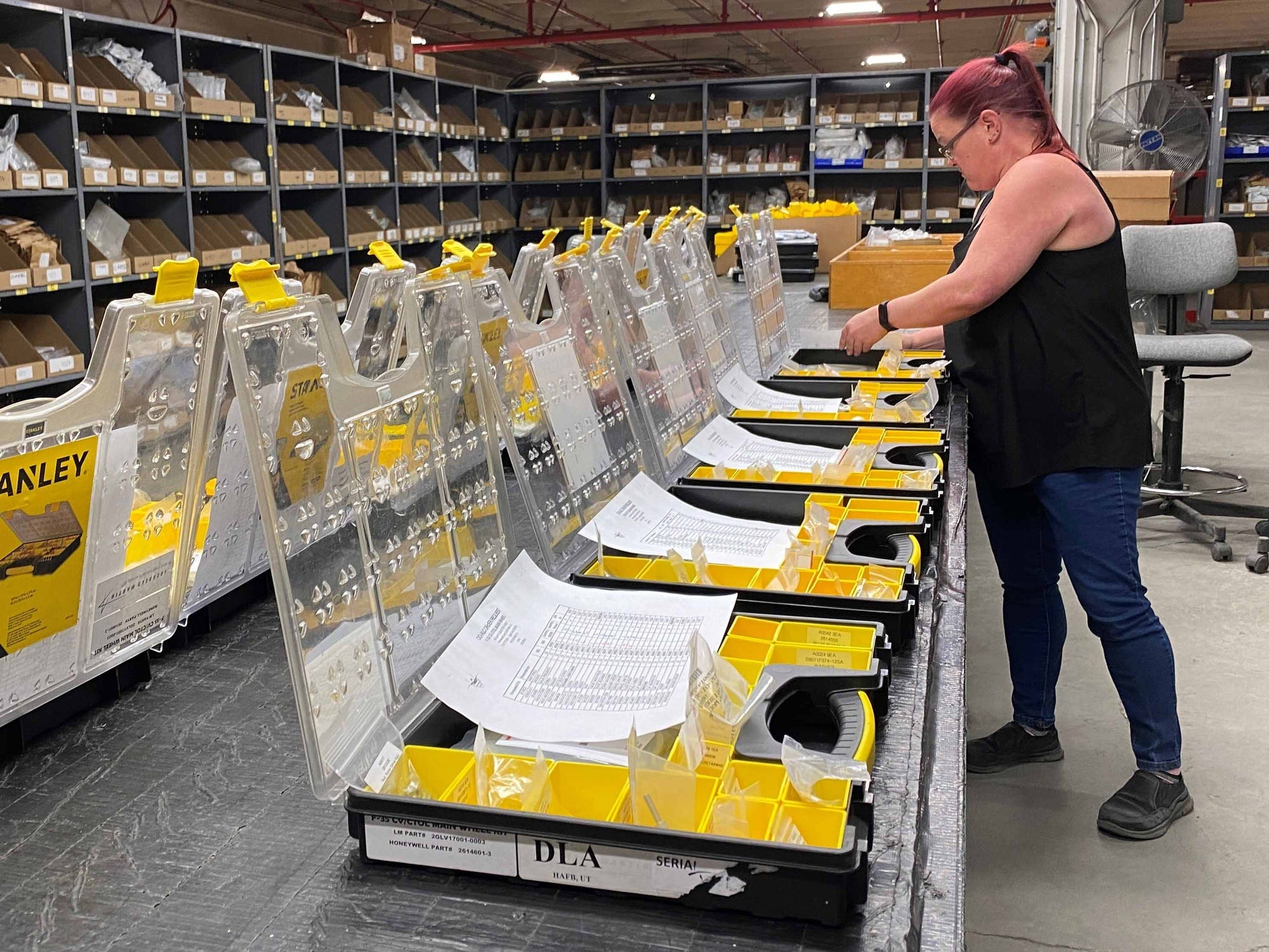
Australia is a regional hub in the F-35 Global Support Solution, which combines airframe and engine maintenance, component repair and warehousing across an international fleet. Bloomberg reported that these components were traveling to the United States for inspection and possible repair or disposal. Commercial carriage is part of the network: the Defense Logistics Agency has publicly described test shipments using contracted carriers including FedEx and UPS. The investigation now turns on route authorization, exception handling and custody records.
The accountability problem predates this shipment. In 2023, the US Government Accountability Office found that one F-35 prime contractor had recorded losses of more than one million spare parts worth over $85 million since May 2018. In that report, losses included items recorded as lost, damaged or destroyed. The Joint Program Office had reviewed fewer than two percent of those cases, and more than 900,000 parts worth over $66 million had not been reported for its review as of October 2022.
A March 2026 Defense Department inspector general summary again identified recurring weaknesses in F-35 contract oversight, inventory management and financial reporting. Those audits do not establish the cause of the Hong Kong diversion. They show why the current investigation must assign responsibility across a contractor-led network in which visibility and custody are divided among several actors.
My Read
The central issue is chain of custody at the boundary between defense logistics and commercial transport. Investigators need the complete manifest history, routing rules, customs and brokerage records, scan timestamps, authorized consignee and every manual override. That record should show whether Hong Kong was introduced by a data error, a carrier decision, a customs action or a deliberate diversion.
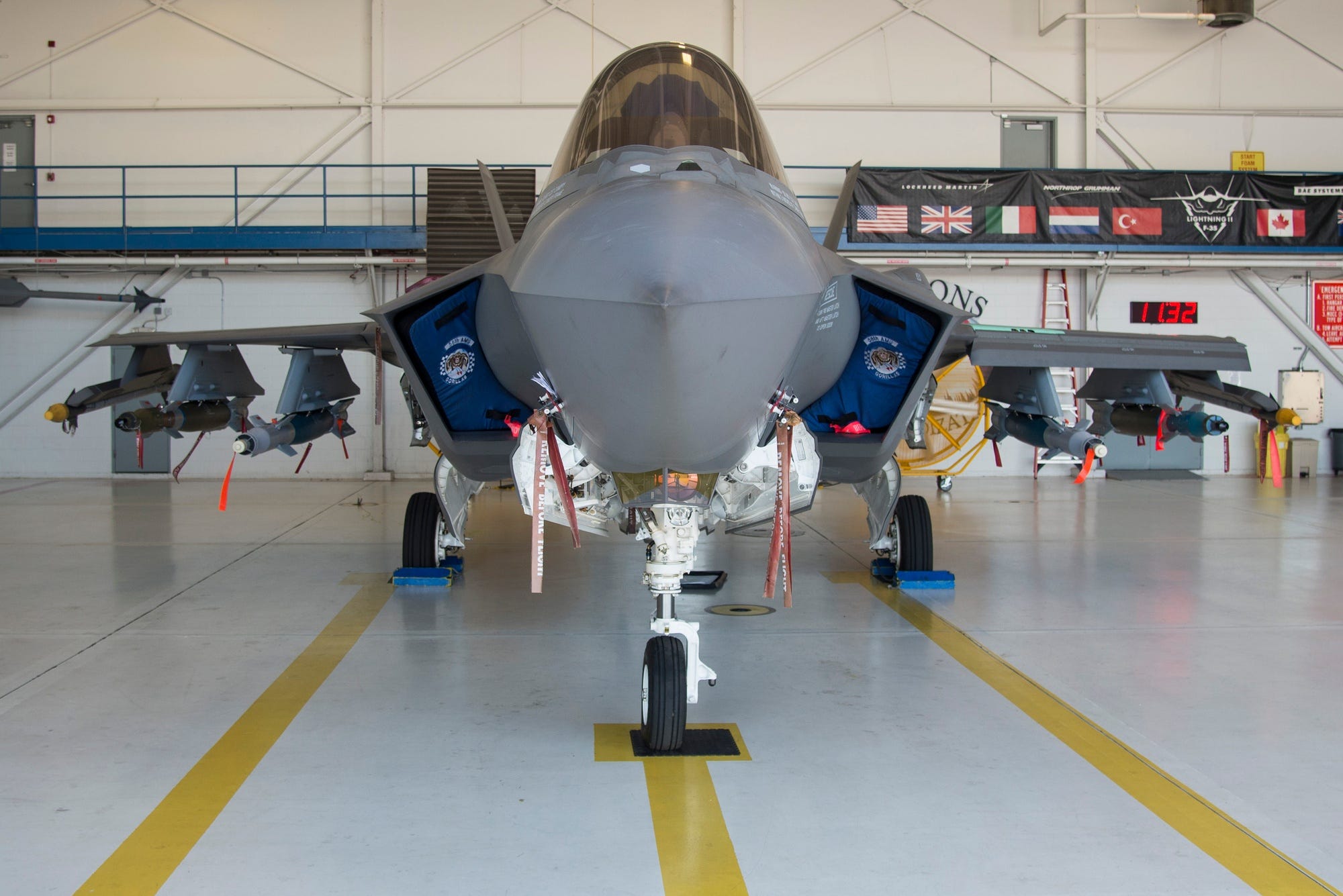
The technical risk cannot yet be measured from public information. A canopy and a weapons-bay door contribute to the aircraft's low-observable configuration, and physical inspection can reveal materials, construction methods and tolerances. Their intelligence value depends on condition, configuration, remaining coatings and what an examining party already knows. Marles's description of the parts as non-sensitive and Lockheed Martin's low-risk assessment belong in the record alongside Bloomberg's reporting about radar-absorbing material.
The wider implication concerns the design of a global support network. Shared pools and regional repair hubs improve availability, but every handoff adds a point where labels, export controls, route permissions and custody records must agree. Unserviceable hardware requires the same traceability until repair, demilitarization or disposal is complete. The investigation will be judged by whether it identifies the broken handoff and changes the controls that allowed it.
What to Watch
An official account of the shipment route, consignee and point at which the destination changed.
Recovery of the components and a description of their physical condition and packaging.
Any finding that the shipment was opened, examined, copied or altered after diversion.
Changes to route-deviation alerts, export-control checks and custody records across the F-35 network.
How the Pentagon, Lockheed Martin, UPS and Australian authorities divide responsibility for corrective action.
Recommended Sources
Australian Defence Ministers | Doorstop, Adelaide, September 22, 2026: Richard Marles on the investigation and his understanding that the parts were not sensitive.
Australian Defence Ministers | Doorstop, Hobart, September 23, 2026: Pat Conroy on prior official awareness and the ongoing supply-chain investigation.
Politico | Hill investigates after F-35 parts diverted to Hong Kong: the first public report and the F-35 Joint Program Office statement.
Straits Times / Bloomberg | China is holding F-35 parts diverted to Hong Kong: the reported carrier, route, components, custody and congressional chronology.
Breaking Defense | Australian minister and Lockheed Martin characterize the parts: Lockheed Martin's low-risk assessment and Marles's official statement.
US Government Accountability Office | Accountability for F-35 global spare parts: oversight findings on losses, reporting and disposition in the global spares pool.
Department of Defense Inspector General | Lessons learned from F-35 oversight: recurring contract, inventory and financial-reporting weaknesses through 2025.
Australian Defence | Joint Strike Fighter Aircraft: Australia's role in F-35 maintenance, component repair and regional warehousing.
Defense Logistics Agency | Expanding visibility of the F-35 supply chain: contractor-led sustainment, global warehousing and test shipments using commercial carriers.
Image source and rights | RAAF F-35A at RAAF Base Curtin: Royal Australian Air Force via DVIDS; public domain.
Image source and rights | F-35 canopy maintenance: Senior Airman Ridge Shan, US Air Force, via DVIDS; public domain.
Image source and rights | F-35 parts warehouse: Nutan Chada, Defense Logistics Agency, via DVIDS; public domain.
Image source and rights | F-35 internal weapons bays: Senior Airman Stormy Archer, US Air Force, via DVIDS; public domain.
Sources & Methodology
This briefing separates public official statements from details attributed to anonymous sources. The Joint Program Office has confirmed a shipment issue involving unserviceable components. The identities of the two parts, UPS's role, the South Korea stop and Chinese government custody are reported by Bloomberg and remain attributed here.
Official Australian statements, US oversight reports and Defense Logistics Agency material provide the institutional context. No public source reviewed for this article establishes the cause of the diversion or confirms that the components were technically exploited.
Corrections or source clarifications can be sent through the DefenseHub contact page.
R. Planche · DefenseHub
What stands out to me in this analysis is the importance of separating the incident from the conclusion.
From my own field experience, when something goes wrong, the first task is not to decide immediately whether it was an accident, a security failure, or an intelligence operation.
First, we establish what actually happened. Then we examine the gaps: who handled it, where the control was lost, what changed, and what was known at each stage.
Only after that can we assess intent and consequence.
This case is a good example of why chain of custody is not just a logistical issue. It is part of operational security.
A missing component may have limited technical value, or it may have greater value than initially understood. Until the evidence is examined, both possibilities should remain open.
In the field, the first assessment is never the final assessment. New information can change the picture, and a good assessment must be able to change with it.
Gee, it’s not as if the President’s good buddy,.Xi, would have let his people peek inside the crates !