

DefenseHub · Tuesday · Highlights · October 13, 2026
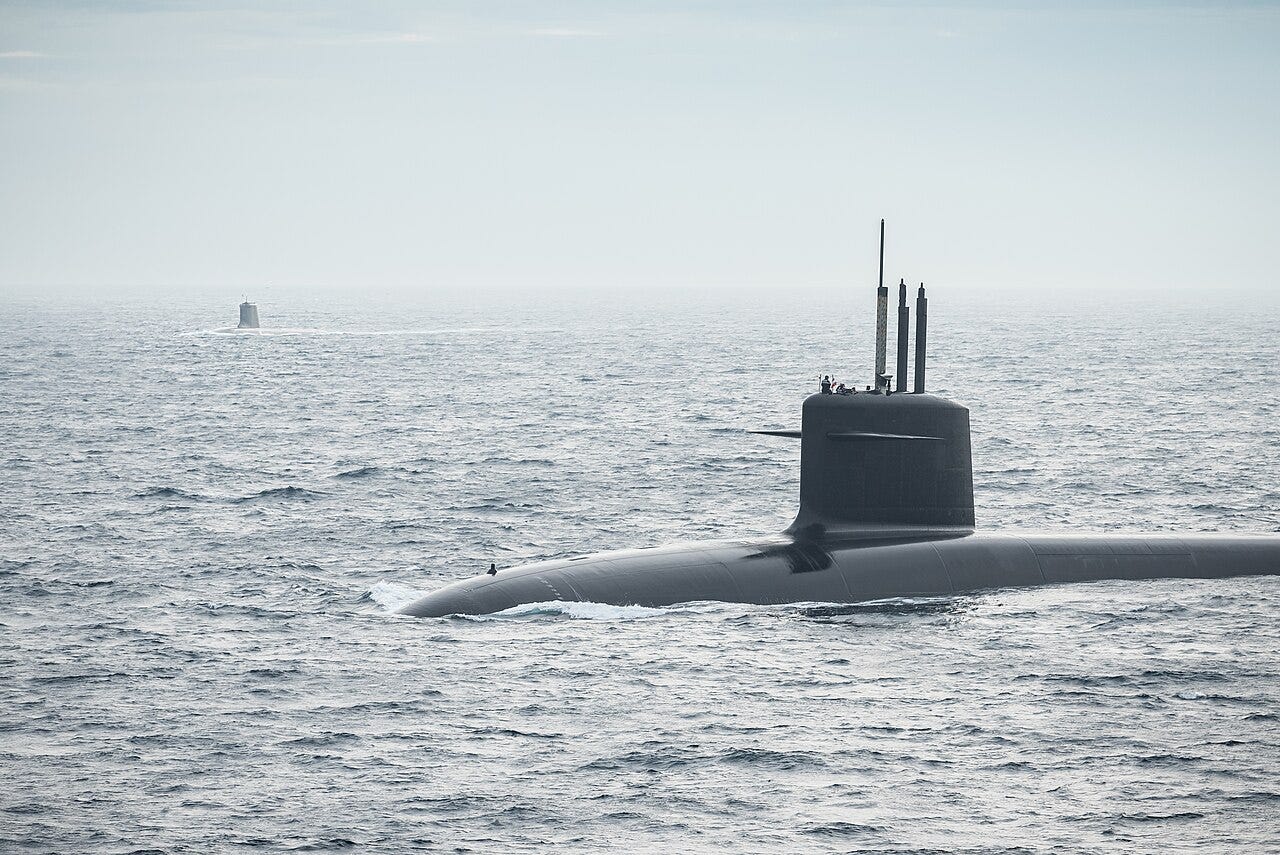

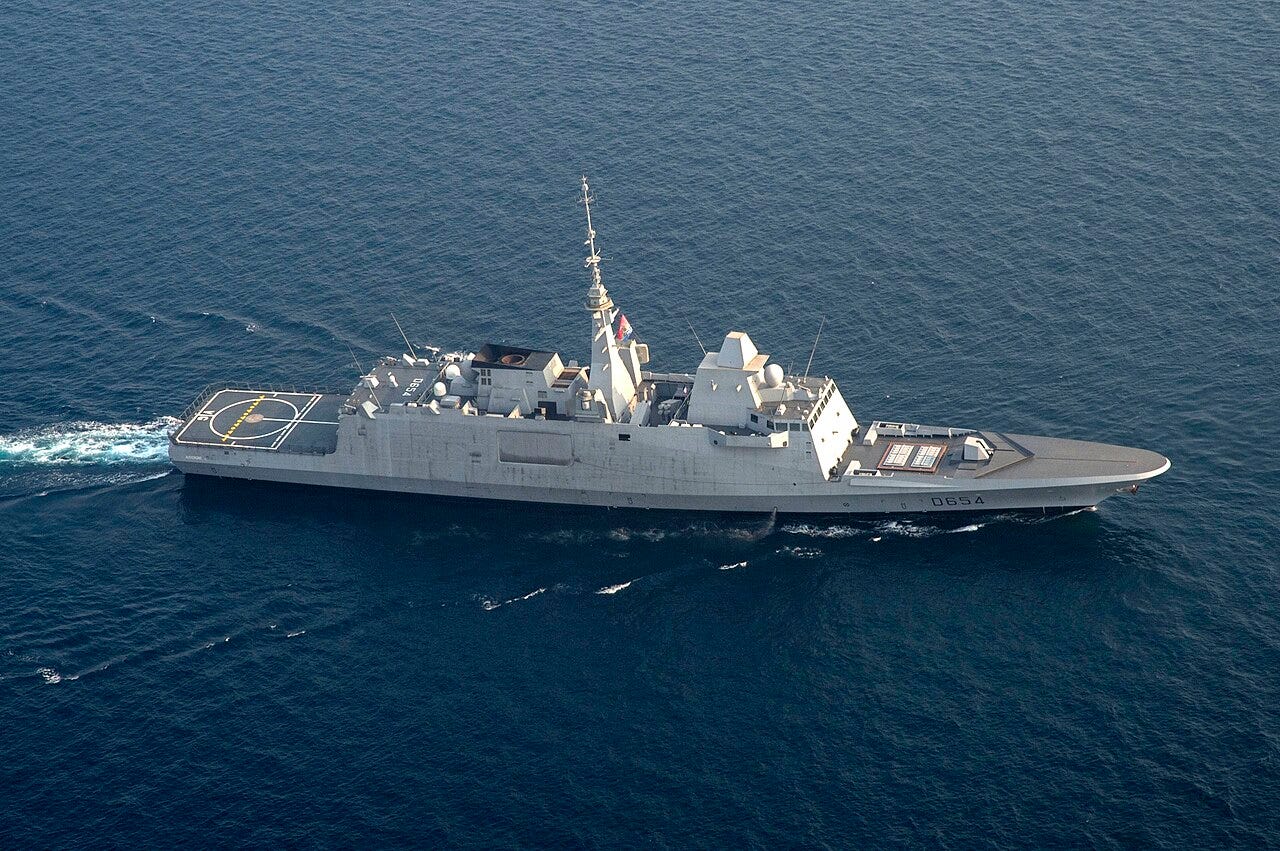
On Tuesday, October 6, the French ballistic missile submarine Le Vigilant fired an M51.3 missile off Finistère, in western France. It was the first time this version of France's submarine-launched ballistic missile had been fired from a submarine. The missile carried no nuclear warhead and came down in the North Atlantic, several hundred kilometers from the coast. France's Ministry of the Armed Forces and Veterans Affairs called the test a success, and President Emmanuel Macron watched it from the frigate Auvergne. It was an acceptance firing, a check of the submarine after maintenance. That limits what it says about the missile.
What We Know
The facts come from the October 6 releases of the Ministry and of the DGA, France's defense procurement agency, and from USNI News, which reported the test two days later. The submarine is Le Vigilant, hull number S618, and the firing was part of Operation Smertrios. DGA Essais de missiles, the agency's missile test range, tracked the missile for its whole flight, using among other assets the range instrumentation ship Monge.
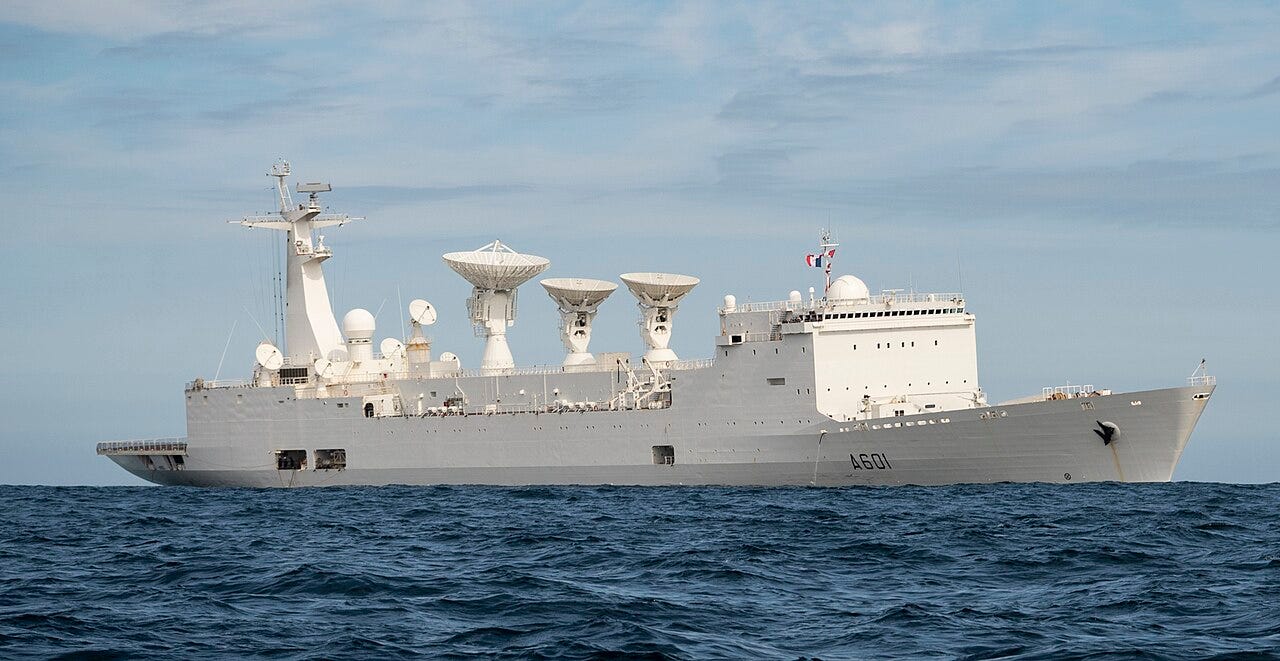

According to USNI News, this was only the second M51.3 firing. The first was a qualification firing from a ground base in November 2023. Le Vigilant had just finished its periodic maintenance and repair period, and the test was meant to confirm that the submarine could again fire its weapon system. The Ministry called it a success, and the DGA said it validated the operational capability of Le Vigilant's weapon system. ArianeGroup, which builds the missile, said the flight was heavily instrumented and carried experiments for the next version, the M51.4. None of these sources gives the range, the flight time or any telemetry data.
That is normal for a nuclear weapon and does not suggest a problem. But it means people outside the program can only confirm that France declared the test a success. They cannot check how well the missile performed. The M51.3 entered operational service on October 24, 2025. It is the third version of the M51, which first entered service in 2010. According to the Ministry, it carries the new TNO-2 oceanic nuclear warhead and has more range, more accuracy and a better ability to get through missile defenses.
Operational Context
France designs, tests and deploys its own submarine-launched missile. It does not draw on a stock of missiles shared with an ally. That independence is a large part of what French strategic autonomy means in practice. It also means France has to prove the missile works with its own development and test record. ArianeGroup builds the M51, the French atomic energy commission, the CEA, supplies the warheads, and the DGA measures the flights. If a French design fails, there is no allied stockpile to fall back on.
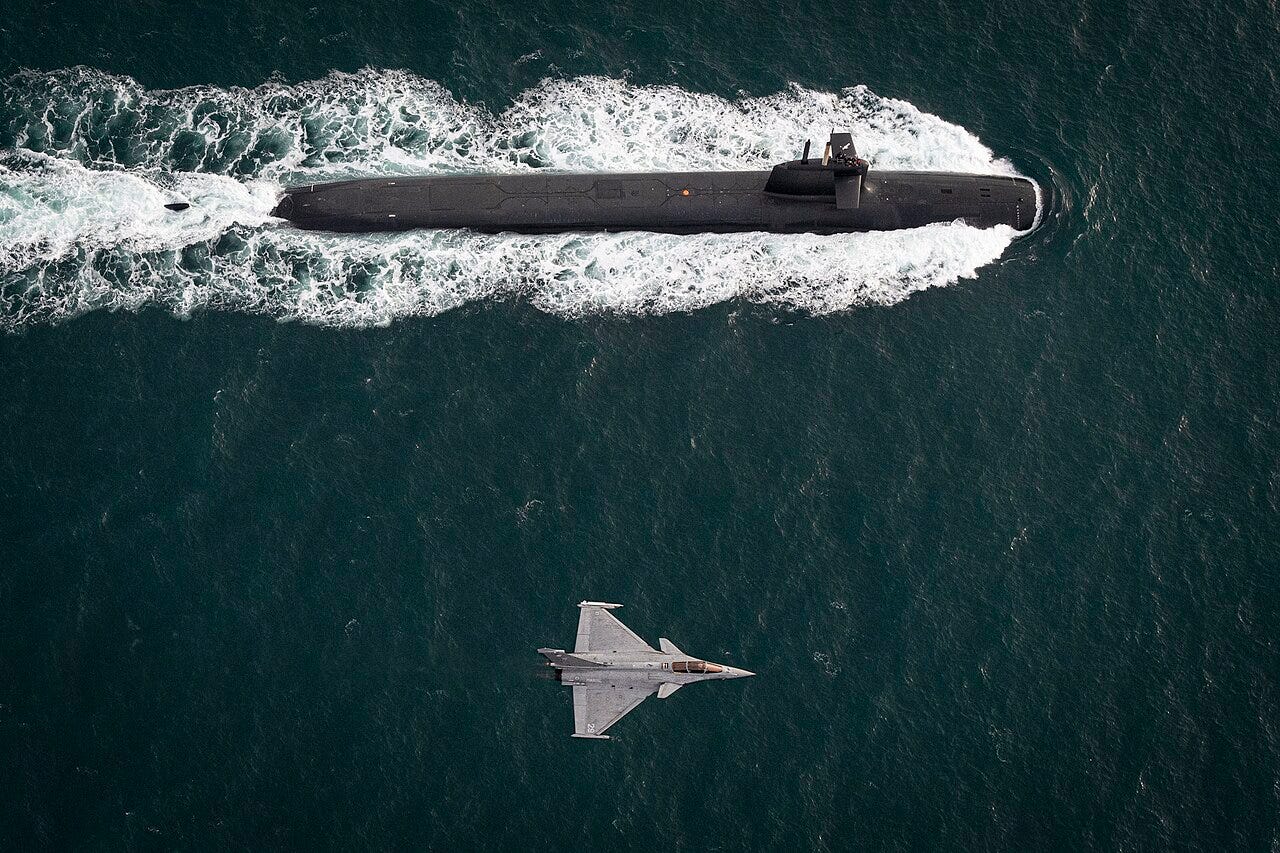

The French Navy's confidence in the M51.3 therefore comes from French development work, French ground and flight tests and French engineering judgment. ArianeGroup says the M51.3 took ten years to develop. After the qualification flight in November 2023, it spent two years confirming the missile's overall performance and its nuclear safety requirements at Île Longue and aboard the submarines. That work ended in September 2025. The missile then entered service with one publicly reported flight. Its first firing from a submarine came almost a year later, and its main purpose was to check a submarine coming out of maintenance, not to qualify the missile.
So this test adds one data point to the public record. It was not the basis for the decision to put the missile into service. That decision rested on the two-year validation, which ArianeGroup describes only in general terms. France is not the only country firing ballistic missiles, but comparisons between programs have clear limits.
On October 12, 2026, the Japan Times reported that North Korea fired several ballistic missiles from its east coast into the Sea of Japan. At least two landed outside Japan's exclusive economic zone, and one flew more than 910 kilometers. That is a different program in a different strategic setting, and the missiles were not fired from a submarine. I mention it only because ballistic missile launches remain routine for several countries. It tells us nothing about the French program.
My Read
One acceptance firing keeps part of France's deterrent in working order. On the available evidence, it does not change France's nuclear posture or doctrine. None of the official statements announces a change in targeting policy, alert levels or declared doctrine. Macron still gave the test political weight. He watched from the Auvergne and called it "a new demonstration of the credibility of our deterrence." In a video reported by USNI News, he said the message had been sent "loud and clear for wherever it must be received." The public record is thinner than that message. The M51.3 has two publicly reported flights: one from a land base in 2023 and one from a submarine this month.
_underway_in_the_Arabian_Gulf_on_19_September_2017_(170919-N-WM647-0667).JPG)
Confidence in a weapon's reliability comes from repeated tests. A successful firing from a submarine is a real step for the French Navy, and French authorities have called it a success without reservation. But France does not publish how the missile performed against its specifications, and that matters for judging how mature the program is. The test also feeds the long European debate on strategic autonomy. France's nuclear force, under national control, is often cited as proof that Europe does not have to rely only on American nuclear guarantees. That argument rests on the force existing and being under French control, not on this test.
Treating one acceptance firing as proof that the deterrent is more credible than it was last week asks too much of a single data point. There is a fair counter-argument. Supporters of the program would point out that the M51.3 entered service in October 2025, after a two-year validation that French authorities judged sufficient. Seen that way, this test confirms a decision already made and, above all, that a submarine and its crew can fire the missile after maintenance. I think that reading is reasonable.
What would change my view is a pattern of tests. More M51.3 firings from Triomphant-class submarines, ideally with more performance data, would build a public record of reliability. For now, there is one successful acceptance firing, with no performance data released.
What to Watch
The next M51.3 firing from another Triomphant-class submarine, and whether France says more about it than it did on October 6.
Any release of range or telemetry data by the Ministry or the DGA, which would let outsiders judge performance and not only the declared success.
Progress on the M51.4, which ArianeGroup started developing in September 2025.
How Moscow and allied capitals read the test: as routine maintenance of the deterrent or as the political signal Macron described.
Recommended Sources
French Ministry of the Armed Forces and Veterans Affairs: the official release on the successful M51.3 acceptance firing from Le Vigilant, October 6, 2026 (in French).
DGA: the procurement agency's account of the firing, its purpose after Le Vigilant's maintenance and the flight tracking by the Monge (in French).
ArianeGroup, October 6, 2026: the prime contractor's account of the firing, including its instrumentation and the M51.4 experiments it carried.
ArianeGroup, October 28, 2025: the entry into service of the M51.3 and the two-year validation process that followed the 2023 qualification flight.
USNI News: English-language reporting on the firing, including the November 2023 ground-based qualification and Macron's remarks.
The Japan Times: reporting on the October 12 North Korean ballistic missile launches, cited only as unrelated context.
Sources & Methodology
This briefing is based on open-source reporting, official releases, procurement documents, defense-industry disclosures, and specialist analysis available at publication time. Claims involving battlefield effects, classified programs, or active operations are treated cautiously unless corroborated by multiple independent sources.
DefenseHub prioritizes primary sources where available, including official releases, budget and procurement records, legislative documents, technical disclosures, institutional research, and reputable reporting.
Corrections or source clarifications can be sent through the DefenseHub contact page.
R. Planche · DefenseHub