DefenseHub · Sunday · History · May 24, 2026
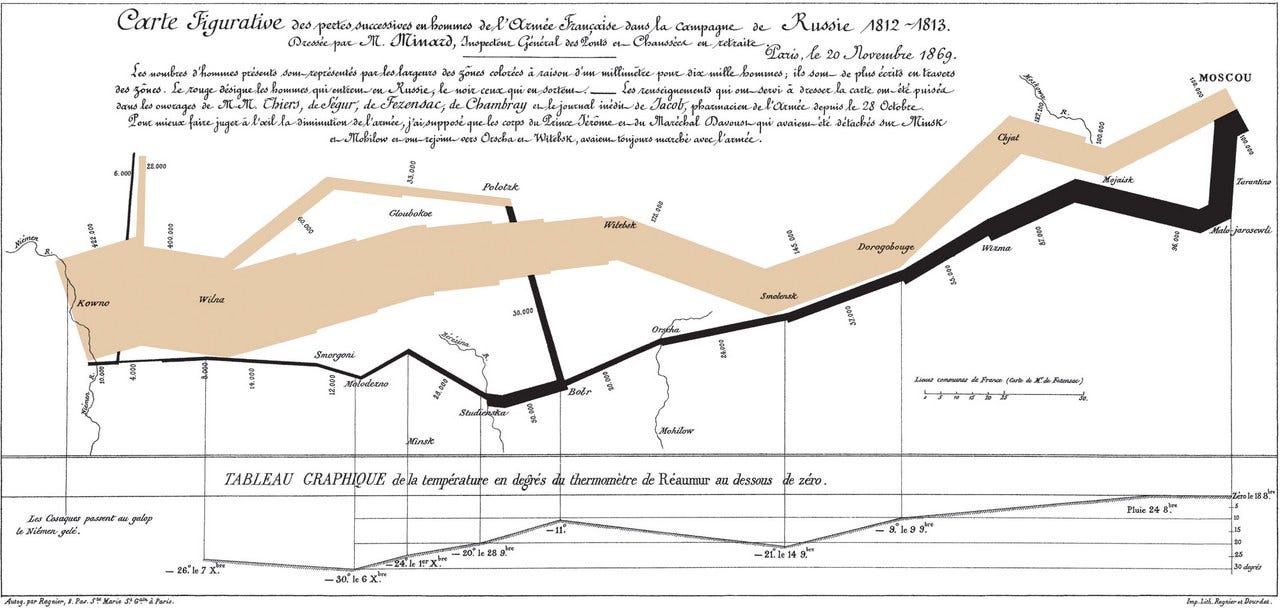
In June 1812, Napoleon Bonaparte led roughly 450,000 troops into Russia and lost the campaign before a single significant battle was decided in his favor. The disaster was not bad luck or a harsh winter alone. It was a structural failure across three distinct levels of war, and understanding those levels tells you more about how modern campaigns collapse than most contemporary case studies.
What We Know
The RealClearDefense analysis identifies three interlocking causes for the 1812 catastrophe: Napoleon's inability to force a decisive engagement on favorable terms, a logistical architecture that could not sustain the expedition beyond the Niemen River frontier, and a strategic miscalculation about whether threatening Moscow would actually compel Tsar Alexander I to capitulate. On the battlefield level, the critical failure was what the article calls "echelon failure," the inability to translate operational movement into the kind of annihilating tactical victory Napoleon had achieved at Austerlitz in 1805 or Jena in 1806.
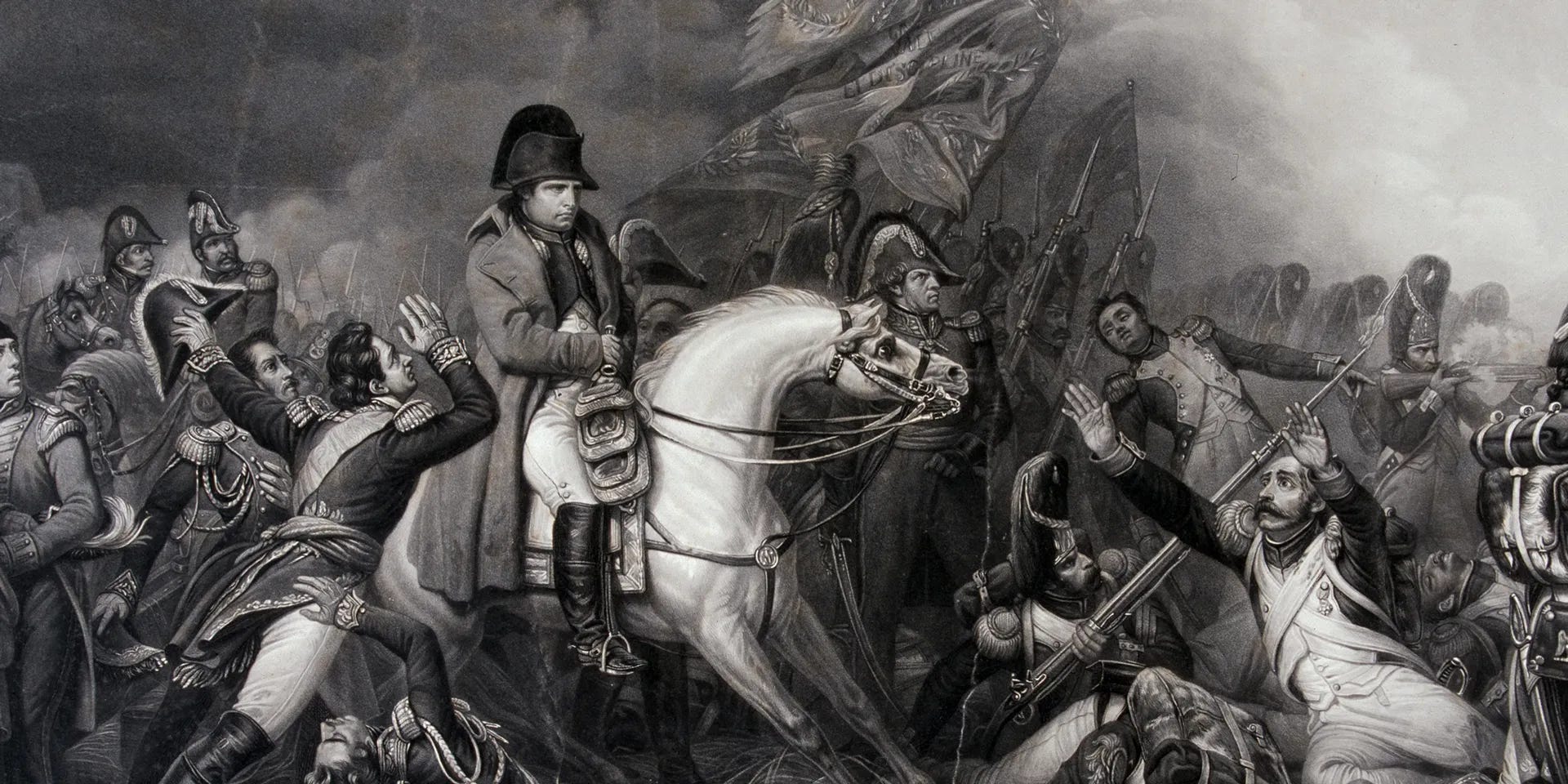
The Russian commanders, Barclay de Tolly initially and then Kutuzov after political pressure forced a command change, refused to offer the concentrated engagement Napoleon needed. They retreated, trading space for time, burning supplies as they went. When the decisive engagement finally came at Borodino on September 7, 1812, Napoleon held back his Imperial Guard at the critical moment. Casualty estimates for that single day range from 70,000 to 80,000 men killed and wounded on both sides, according to most historical accounts, making it one of the bloodiest days of the Napoleonic Wars. Yet Kutuzov's army survived intact and withdrew in good order. Napoleon had won the field and lost the campaign. The logistical failure was arguably more determinative than the tactical one.
The Grande Armée crossed into Russia with supply arrangements calibrated for a six-week campaign. The Russian interior offered almost nothing to live off once the local population destroyed or removed food stocks. By the time French forces reached Smolensk, unit cohesion was already degrading from starvation, disease, and straggling. The army that entered Moscow in September was a fraction of what had crossed the Niemen three months earlier, even before the retreat began. This matches a consistent pattern in Napoleonic campaigning: the system of living off the land that worked brilliantly in densely populated central Europe became a death sentence in the Russian interior. That system had also never been stress-tested against an advance of this distance or duration, and no serious planning appears to have addressed what would happen if the campaign extended beyond its initial assumptions.