

DefenseHub · Saturday · Tactics & Doctrine · October 31, 2026

Spreading vehicles out reduces the damage a single artillery barrage can inflict. A drone that can locate and steer toward an individual vehicle presents a different problem. In an October 8, 2026 analysis published by the Modern War Institute, Justin Lynch and Kian Molani test that distinction with Monte Carlo simulations. Their results suggest that spacing loses its protective value against abundant attack drones when moving vehicles remain detectable. The implications reach beyond convoy intervals to how armies protect logistics routes and sustain operations. The findings depend on specific assumptions about detection and attack success, which commanders would need to test against the conditions their forces actually face.
What We Know
Lynch and Molani examine one-way attack drones used in Ukraine's middle-strike campaign, reaching beyond the immediate front. Their argument concerns moving vehicles exposed to persistent surveillance and plentiful, comparatively cheap munitions. Against unguided artillery, spreading vehicles out reduces the number that a volley can damage. A drone carrying its own sensor and payload can instead steer toward one vehicle. The comparison is useful because these weapons give an attacker different incentives: a clustered formation makes area fire more efficient, while a precision attack can be worthwhile against a single target.
The authors tested twenty vehicles moving through a corridor twenty kilometers long and two kilometers wide. They varied vehicle spacing from ten to six hundred meters, in ten-meter increments, and attacked with six, twelve, eighteen or twenty-four munitions. Each combination ran four hundred times. The artillery model used 155-millimeter shells fired in six-shell volleys, with a 150-meter circular error probable. The drone model used an eight-in-ten probability of destroying the target per attack, a ratio the authors say they derived from their field research.
In the artillery simulations, between one-third and two-thirds of vehicles survived at ten-meter spacing. Survival rose as spacing increased, leveling off at 95 to 98 percent at three hundred meters. These are model outputs. The authors say the increase in survival with spacing matches what US practice would predict. For drones, spacing produced no improvement when vehicles were within range and likely to be found. Losses depended on the number of drones committed and the probability that each attack destroyed its target.
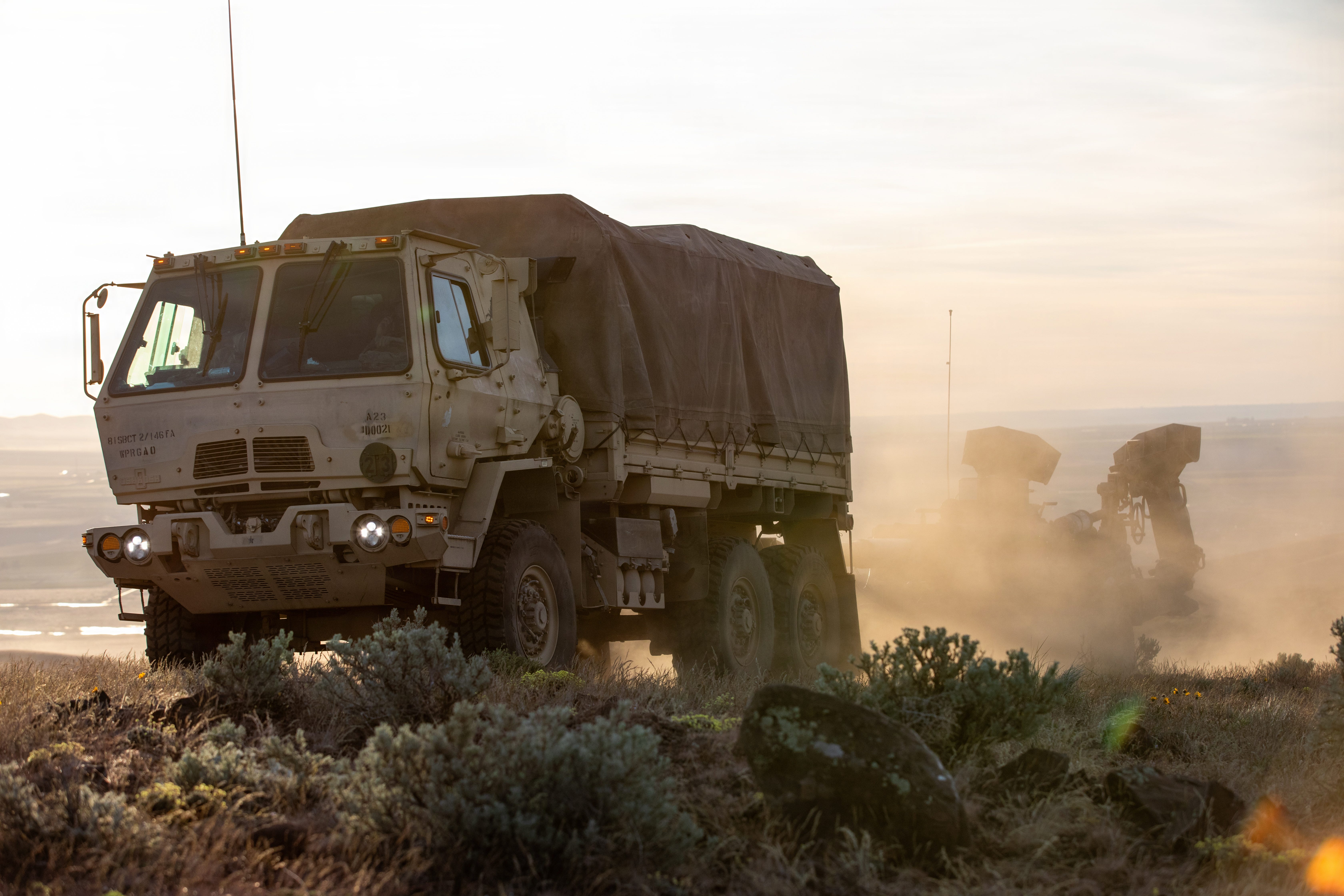
The decisive assumption is explicit: spreading out does not reduce a drone's ability to find moving vehicles. The authors say recent field research supports that assumption under persistent surveillance. Their second experiment examined mimicry, meaning disguising a valuable vehicle as something less valuable. Four of twenty vehicles were designated high-payoff targets. Disguise lost value as the number of drones approached the number of vehicles, allowing the attacker to strike targets without reserving scarce munitions for the most valuable ones.
A separate Atlantic Council report by Yavuz Türkgenci supplies context on the speed of modern fires. He describes sensor networks and AI-supported fire control compressing engagement timelines from twenty to forty minutes to less than five, and Ukrainian and Russian artillery units moving rapidly after firing. In his section on maneuver, he advocates smaller, more dispersed formations; in discussing artillery, he calls greater spacing between guns an operational requirement. These are contextual recommendations, not tests of Lynch and Molani's model.
Operational Context
The model describes a particular targeting problem. A moving convoy in reach of persistent surveillance is different from vehicles concealed under cover, a dismounted patrol or an aircraft that loses its video link. The simulation holds the relationship between spacing and detection fixed. Its result therefore cannot establish how much dispersion helps a unit avoid being found in terrain or weather that interferes with surveillance. That boundary matters before applying a modeled convoy result to every formation threatened by drones.
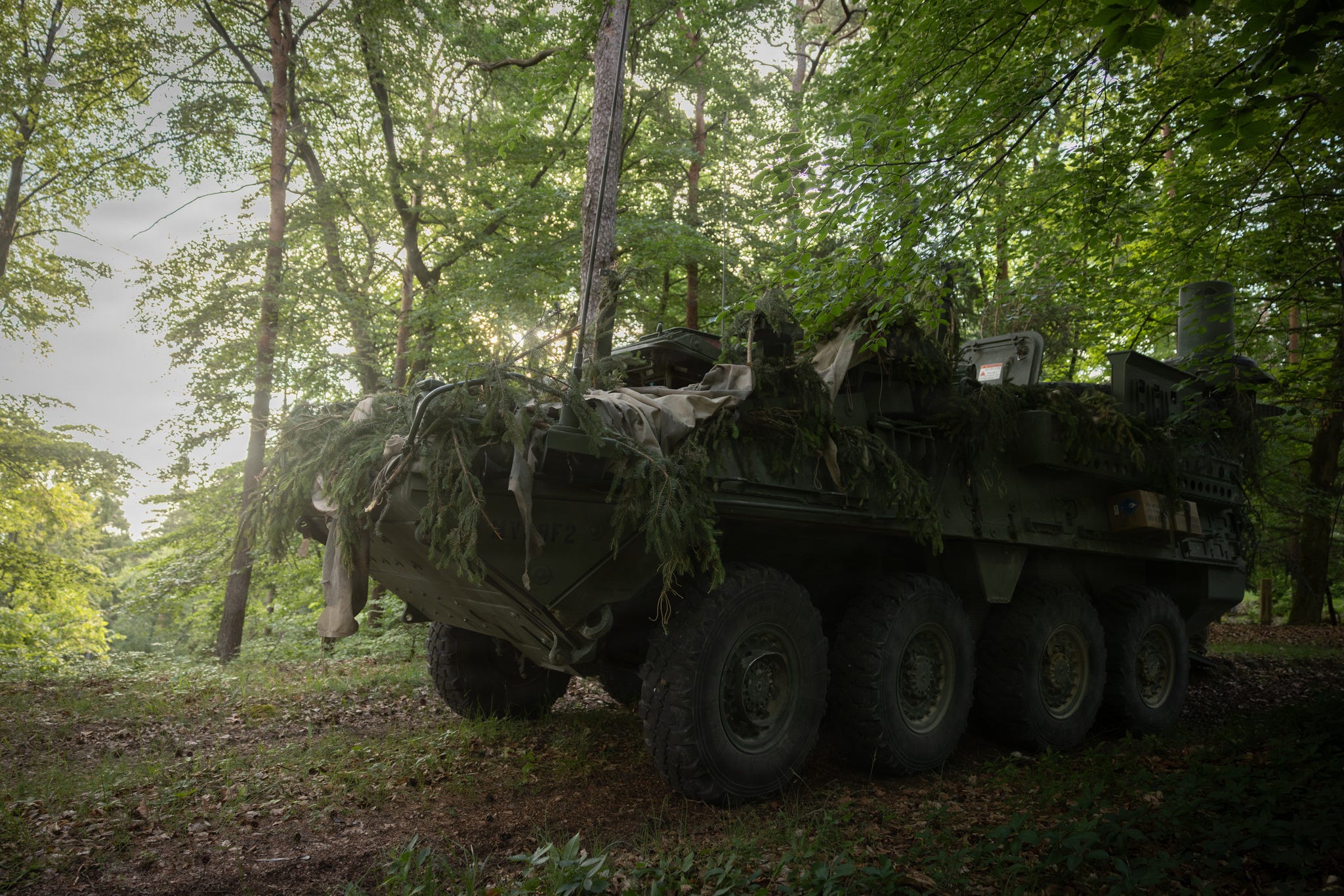
The distinction also affects protection after detection. A point weapon may destroy one vehicle whether its neighbors are near or far away, while an artillery volley can damage several clustered targets. The source's drone result follows from that attack logic and its chosen success rate. Changing the number of incoming weapons or the chance of a successful attack changes losses in the model. Neither the artillery comparison nor the drone comparison is itself a controlled record of battlefield casualties.
The authors also examine protection that can change those conditions. Hardened sites and covered roads can obstruct attack drones; interceptors can reduce the number reaching their targets. Each approach has coverage, maintenance and cost limits. Their recommendations combine passive and active defenses with more experimentation. This is a practical constraint for commanders protecting long logistics routes: a measure that works around a fixed position may be difficult to provide along every road a supply vehicle must use.
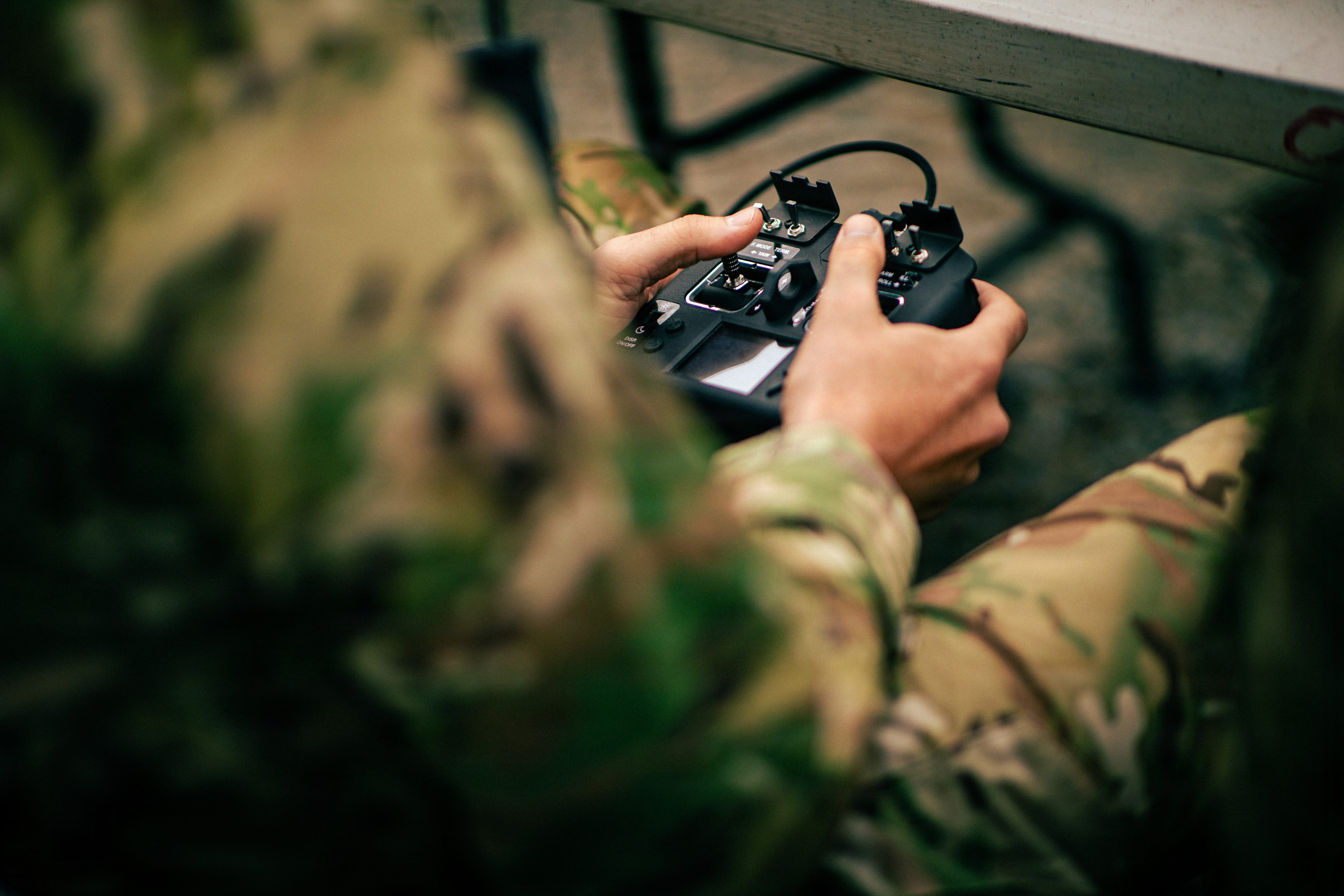
Jordan Bower, Nico Martire and James L. Andreasen provide a different perspective in their account of Ukraine's Killhouse FPV course, published on October 14. They observed crews training with degraded video, cluttered terrain, crashes and equipment faults. Those conditions were part of a deliberate training progression, informing recommendations for the US Army. Their account documents skills and sustainment demands observed in that course; it does not measure how often dispersing vehicles defeats acquisition by middle-strike drones.
The training account raises useful test questions about communications, operator skill and equipment reliability. A test of the convoy model would also need to vary whether vehicles are found at all, rather than treating detection as unaffected by spacing. That would connect the model's clear result under persistent surveillance to the uneven conditions crews describe in training. The two sources can inform that work without treating observations from an FPV course as a direct rebuttal of a convoy simulation.
My Read
The strongest lesson is to stop asking vehicle spacing to solve a targeting problem it cannot solve on its own. Lynch and Molani have quantified a conditional result: when drones can keep finding moving vehicles and sufficient attacks reach them, greater intervals do not reduce modeled losses. The argument for commanders is serious even though the simulation is not a controlled battlefield comparison. A logistics plan built around spacing alone would leave its central vulnerability, continued detection, largely intact.
I would make the detection assumption the first priority for testing. Exercises should compare the same movement task under different spacing, cover, surveillance and communications conditions, recording both vehicles found and vehicles destroyed. Counting successful strikes alone would miss the distinction between avoiding acquisition and surviving an attack. The result could support different guidance for an exposed convoy and a formation using cover, without requiring either to adopt a universal rule about dispersion.
The next question is what a unit can protect along its actual route. The authors discuss hardening, covered roads and interceptors, but also their practical limits. A commander needs to know which stretches of a route remain exposed and what happens when a convoy enters them. Training observations about video links and repair matter here because protection and movement plans must work with available crews and equipment. A favorable exchange in a model does not supply the personnel, coverage or maintenance a defense requires.
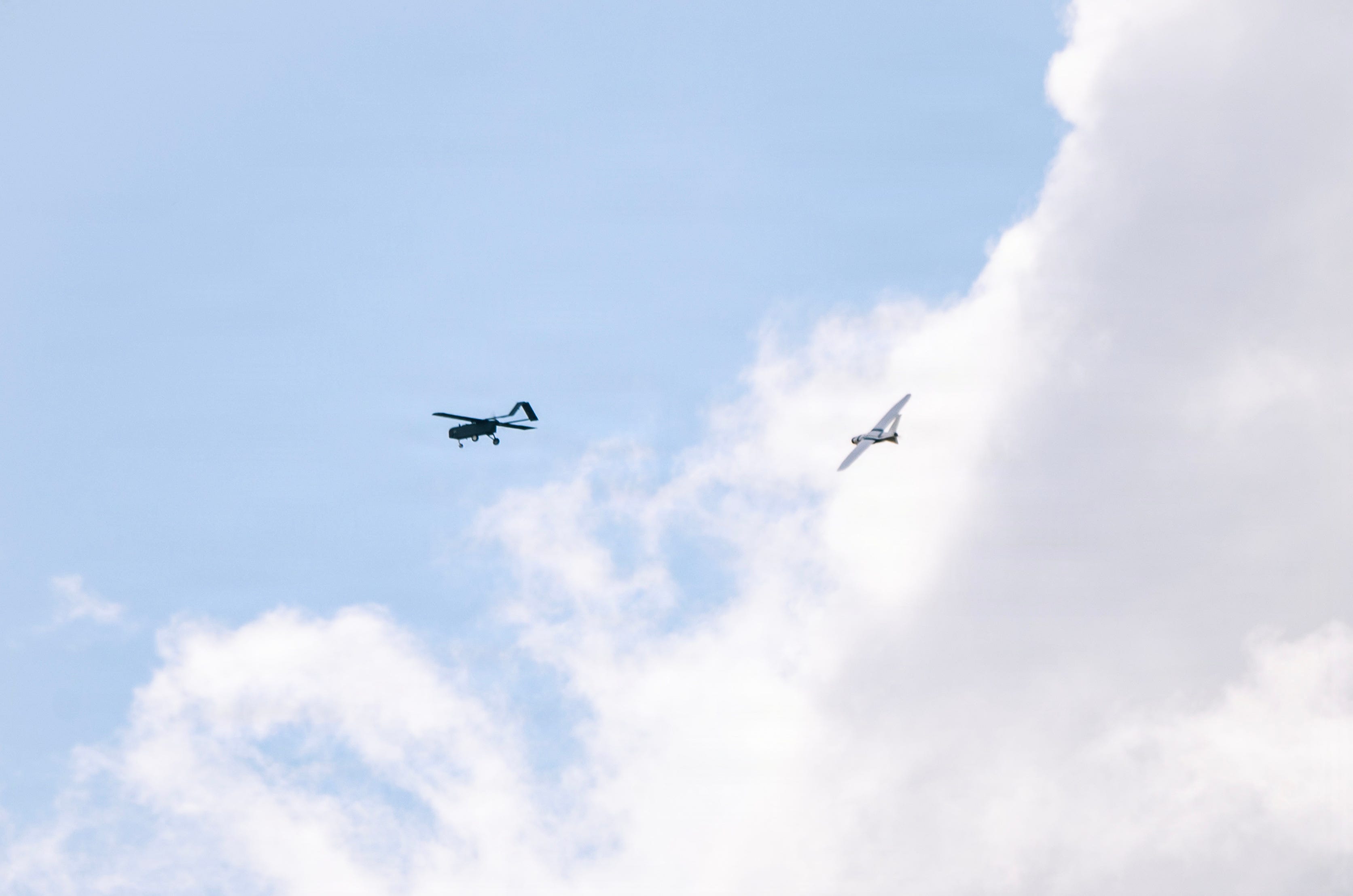
Türkgenci's discussion of dispersion points to a practical planning question. A commander facing both area fire and precision attack needs protection against each. More spacing between guns can be useful while a detected logistics vehicle remains vulnerable to a point attack. Doctrine needs to explain which threat an interval is meant to address and which additional defenses the mission requires. Treating all drone operations as one problem would obscure those choices.
My judgment is that the simulations justify testing convoy protection now, with particular attention to persistent detection and the number of attacks a defender can prevent. The evidence needed next is a comparison of modeled outcomes with exercises and observed operations that record exposure, acquisition and losses under stated conditions. That would show commanders where greater spacing still helps, where its value has narrowed, and what it costs to keep supplies moving through the remaining gaps.
What to Watch
Do exercises confirm the model's assumption that greater vehicle spacing does not reduce acquisition under persistent surveillance?
Do published comparisons record vehicles found as well as vehicles destroyed, allowing modeled results to be tested against observed operations?
How do covered routes, hardening and interceptors change convoy losses when coverage, maintenance and available munitions are constrained?
Do revised manuals distinguish guidance for artillery exposure, drone acquisition and defense against individual attacks, rather than prescribing one spacing rule for every threat?
Recommended Sources
Dispersion Will Not Save You: Survivability in the Age of Middle-Strike Drones (Modern War Institute, 2026): Justin Lynch and Kian Molani's Monte Carlo comparisons, assumptions and recommendations for protecting moving vehicles.
Dispatch from Killhouse: Ukraine's Lessons for US Army Drone Training (Modern War Institute, 2026): Jordan Bower, Nico Martire and James L. Andreasen's firsthand observations of Ukraine's Killhouse FPV course and lessons for US Army training.
Fighting a Land War in the Digital Age (Atlantic Council): Yavuz Türkgenci's analysis of digital fires, rapid displacement and the continued role of dispersed formations.
Sources & Methodology
This article examines the linked authors' analyses, Monte Carlo simulations and firsthand training observations. It distinguishes model assumptions and outputs from reported field observations and editorial judgment. Simulated survival rates are not presented as observed battlefield casualty rates.
DefenseHub prioritizes primary sources where available, including official releases, budget and procurement records, legislative documents, technical disclosures, institutional research, and reputable reporting.
Corrections or source clarifications can be sent through the DefenseHub contact page.
R. Planche · DefenseHub