

DefenseHub · Sunday · Geopolitics · October 25, 2026
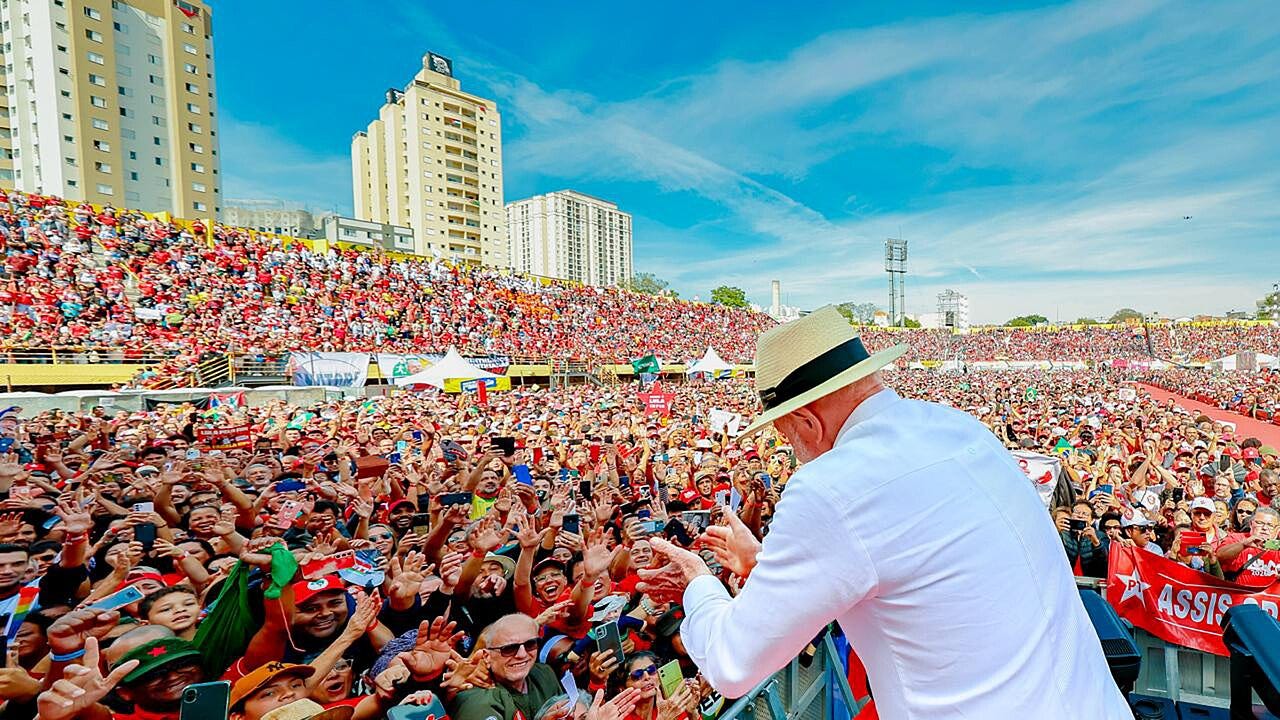

Lula has won again, keeping Brazil under the Workers' Party and defeating the prospect of a government closer to Washington. The result is a serious setback for the Brazilian right and, in my assessment, for Donald Trump's regional ambitions. It also leaves Brazil with a bill and a set of institutional questions that victory speeches cannot settle. The campaign featured a succession of government benefits, an accusation of R$400 billion in election-year spending, and a last-minute voting extension ordered by a Supreme Court justice who previously represented the president. Each deserves examination on its own evidence.
What We Know
Luiz Inácio Lula da Silva defeated Flávio Bolsonaro on October 25 and secured a fourth presidential term. Agência Brasil reported 51.75% of valid votes for Lula with more than 98.2% of polling stations counted. That was a late count confirming his victory, rather than a completed national total. (Agência Brasil)
The incumbent entered the runoff with the federal government's resources and a growing list of benefits. Gazeta do Povo documented a Bolsa Família increase announced 17 days before the first round, debt-relief initiatives, subsidized credit and fuel measures. Broadcast reported that the sequence began in May, less than six months before the election, with the removal of the tax on low-value imported purchases. Later proposals included buying distressed private debts and extending assistance to additional groups. (Gazeta do Povo; Broadcast)
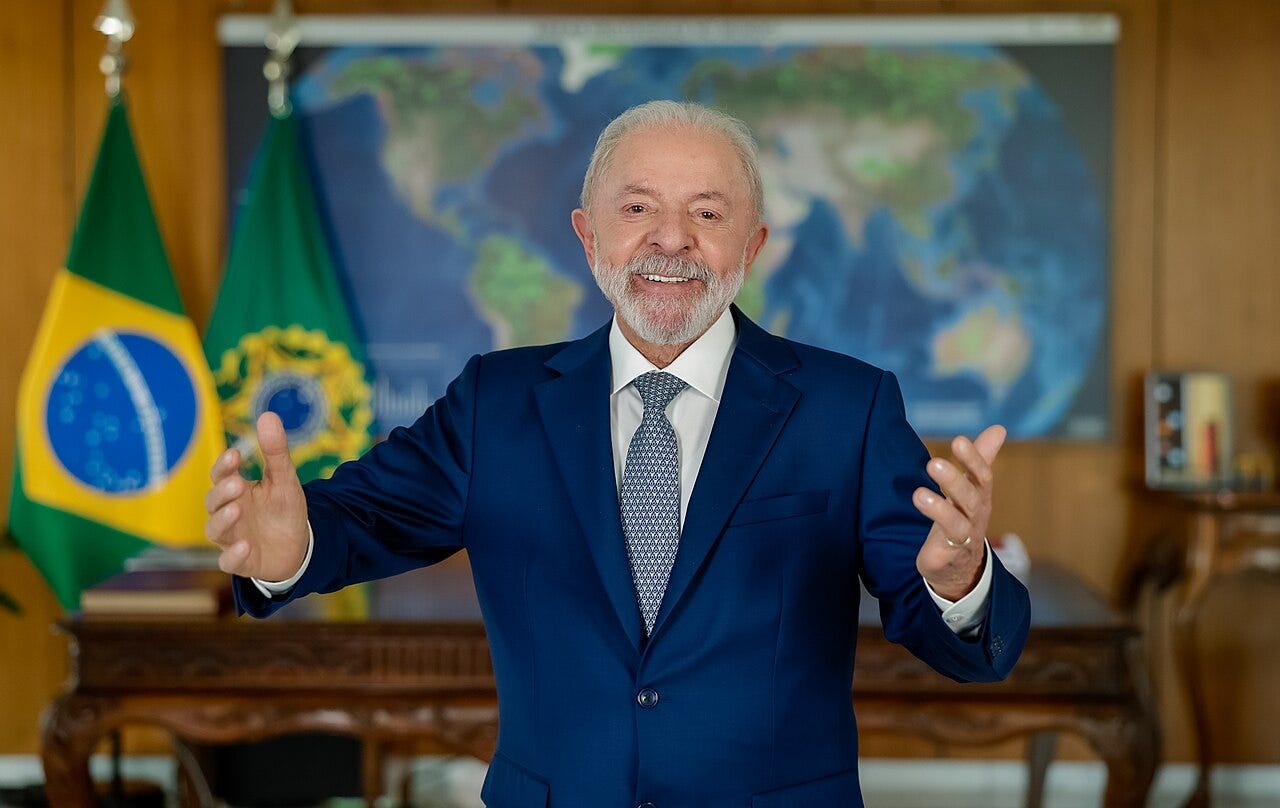

Flávio accused Lula during the October 23 debate of spending more than R$400 billion to seek reelection. O Povo's check challenged that figure. A separate estimate attributed to the Senate's Independent Fiscal Institution, the IFI, valued the announced measures at R$298.4 billion. Of that, R$185.7 billion involved credit programs whose loans are expected to be repaid. Those figures describe different categories and should not be presented as a single cash expenditure already made. (O Povo; O Globo)
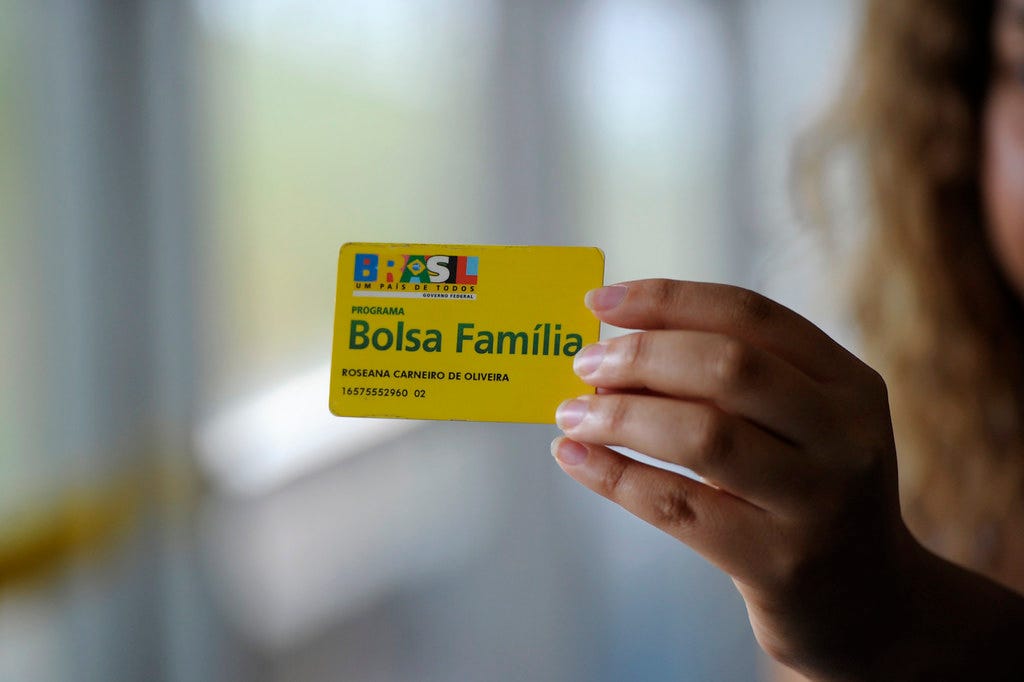
The fiscal exposure still warrants scrutiny. Credit carries financing costs and repayment risk; tax relief reduces receipts; permanent benefits create future obligations. The Finance Ministry said the measures would be accommodated within fiscal targets. Gazeta reported that the government denied illegality and that the electoral court had rejected a challenge to the Bolsa Família increase. The political criticism concerns the scale and timing of the benefits; a legal finding of abuse requires its own evidence. (Gazeta do Povo)
The campaign was aggressive. Reuters described the final Globo debate as a confrontation over living costs and corruption, with personal attacks and attempts by both candidates to associate the other with the Banco Master affair. These were accusations exchanged by candidates. A debate does not establish the underlying charges. (Reuters)
Operational Context
Cristiano Zanin's role makes the voting extension especially sensitive. He represented Lula in the Lava Jato cases before Lula nominated him to the Supreme Federal Court in 2023. During his Senate hearing, Zanin said he could not judge cases in which he had acted as counsel and would assess possible recusals in future cases individually. His earlier professional relationship with the president was publicly known when his nomination was considered. (Senate)
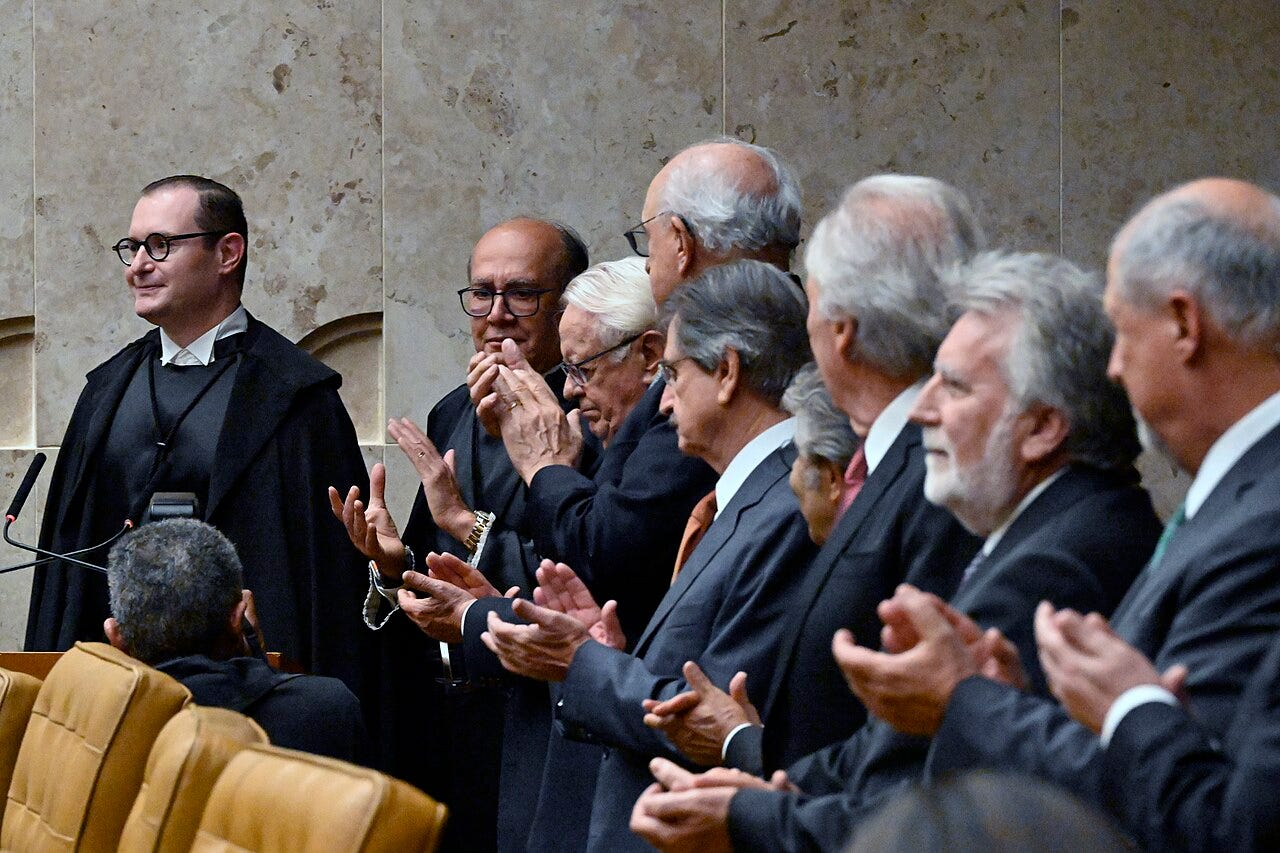

On election day, Zanin ordered voting extended nationally from 5 p.m. to 7 p.m., Brasília time. The decision addressed a complaint involving inadequate public transport in Salvador, Feira de Santana and Lauro de Freitas. Its text recorded that the allegations reached the court at 4:32 p.m. Exame reported requests from both campaigns; the Lula campaign's filing was central to the published order. The TSE interrupted the release of results after counting had begun. (Exame)
Zanin subsequently clarified that the extension applied to ballot boxes that had not already been closed. That distinction matters when evaluating implementation. The measure went beyond allowing people already in line at closing time to finish voting. Its geographic reach, timing and practical application deserve a documented explanation. The reports cited here do not quantify a net electoral benefit to either candidate, so attributing Lula's victory to the order would exceed their evidence. (O Globo)
Washington had its own stake. Trump imposed 50% tariffs on Brazilian goods in 2025, citing Jair Bolsonaro's prosecution among his reasons. His administration also sanctioned Justice Alexandre de Moraes. Reuters reported on October 24, citing ten current and former U.S. officials, that State Department officials had pursued measures intended to help restore the Bolsonaro camp to power. That account gives the political stakes a firmer basis than a photograph or an assumed personal endorsement. (AP; Reuters)

My Read
Lula's victory preserves a government whose use of spending and benefits deserves sustained opposition scrutiny. The concentration of announcements near the election gives that scrutiny a concrete starting point. Voters can reasonably welcome assistance while taxpayers ask why its expansion coincided with the president's greatest political need. The government owes an account of the costs, the financing and the obligations it has carried into the next term.
The R$400 billion accusation should remain attributed to Flávio. A center-right argument for fiscal restraint gains force from getting the accounts right. The IFI estimate already describes a large mobilization of resources. The next questions are how much becomes expenditure, how much credit is repaid, what subsidies remain, and which promises become permanent. Those are the decisions that will shape taxes, borrowing and the room available for future governments.
Zanin's intervention deserves equal attention. A president's former lawyer, elevated to the country's highest court by that president, exercised extraordinary authority during his reelection contest. In my judgment, that relationship imposes an especially demanding burden of explanation. Alleged transport failures justify urgent action to protect access to voting. The breadth of the remedy and the way it was implemented must withstand scrutiny as well. The public should be able to examine the filings, supporting evidence and execution of the order.
I regard the result as a political defeat for Trump. The Bolsonaro camp has lost its bid to bring Latin America's largest economy closer to his regional agenda. Washington retains trade and diplomatic influence, but the opportunity for a more sympathetic administration in Brasília has been lost. For Brazil's center-right, cooperation with the United States remains a legitimate strategic preference. Its benefits still have to be argued in Brazilian terms: investment, security, technology and national autonomy.
In my October 5 article, I assessed Flávio's chances as very high. I overestimated his ability to convert the first-round advantage into a runoff majority. That forecast was wrong. Correcting it leaves the substantive questions about the government intact. Lula now owns the next administration's fiscal choices, delivery of public security and conduct abroad. Electoral success gives him another term; it also gives his opponents four more years of decisions to examine against promises and results. (Previous analysis)
What to Watch
Which election-period benefits become permanent, and where does the 2027 budget show their financing, subsidies and expected repayments?
Do the courts and the TSE release a complete account of the transport complaints, voting extension and treatment of ballot boxes already closed?
How do congressional scrutiny and any pending legal challenges develop as the government implements its announced programs?
Does Trump adjust tariffs and diplomatic pressure after the result, and what does Brasília offer or demand in the next negotiation?
Recommended Sources
IFI estimate reported by O Globo: the scale and composition of announced benefits.
Broadcast's October 25 account: the sequence of measures and the government's fiscal response.
Exame's reproduction of Zanin's order: the transport complaint and the national remedy.
Senate's 2023 hearing record: Zanin's previous representation of Lula and his explanation of recusal rules.
Reuters' October 24 investigation: the reported U.S. effort to return the Bolsonaro camp to power.
By R. Planche · Chief Editor & OSINT Curator